What is CI/CD? Why Is It Important in Software Development?

 09.30.2026
CI/CD refers to practices that enable code changes to be tested and released more quickly, consistently, and reliably throughout the software development process. In this guide, we will explore what CI/CD is, how it works, its key stages, the tools used, and how it contributes to software development processes.
What Is CI/CD?
CI/CD is an approach used to automate and streamline software development processes. CI stands for “Continuous Integration,” while CD refers to “Continuous Delivery” or “Continuous Deployment.”
With this approach, code changes made by developers go through a set of automated checks. When the tests are successful, the code can proceed to the next stage. This makes software development, testing, and release processes more systematic.
What Is CI?
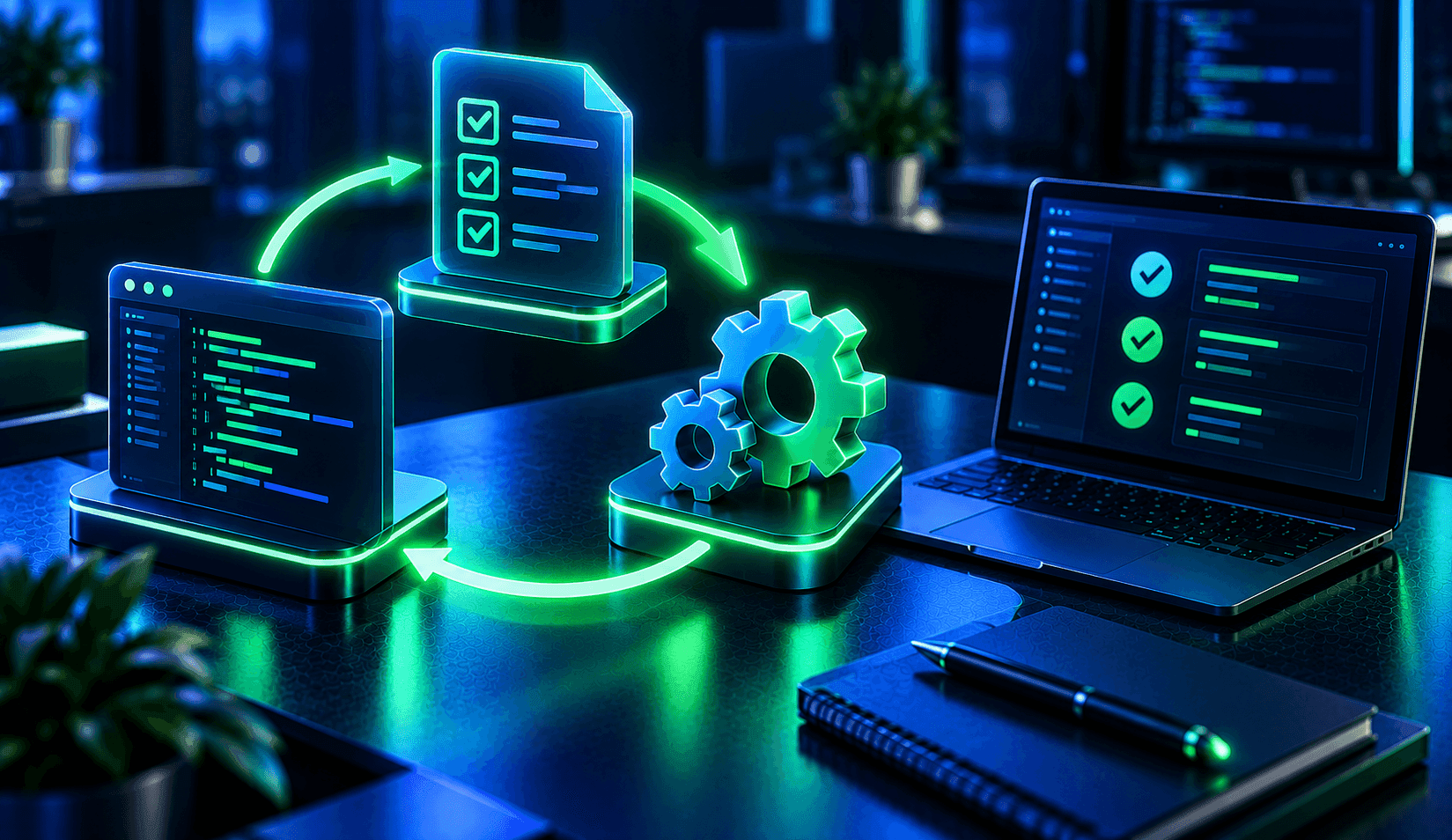
CI, or Continuous Integration, is the process of regularly integrating code changes into a shared code repository and automatically checking those changes. The goal is to integrate the work of different developers regularly rather than keeping their changes separate for long periods.
When a developer pushes code to the repository, the CI system can build the project, run automated tests, and perform predefined checks. If a problem is detected, the team can be notified at an earlier stage.
What Is CD?
CD covers the processes involved in preparing software for release or automatically deploying it after the CI process. CD can be understood in two different ways: Continuous Delivery and Continuous Deployment.
- Continuous Delivery means keeping code in a release-ready state after it has passed the required checks. The actual release can be performed through a specific approval or manual step.
- Continuous Deployment aims to automatically deploy changes that have successfully passed the required checks to the production environment. This approach reduces manual steps in the release process.
What Is a CI/CD Pipeline?
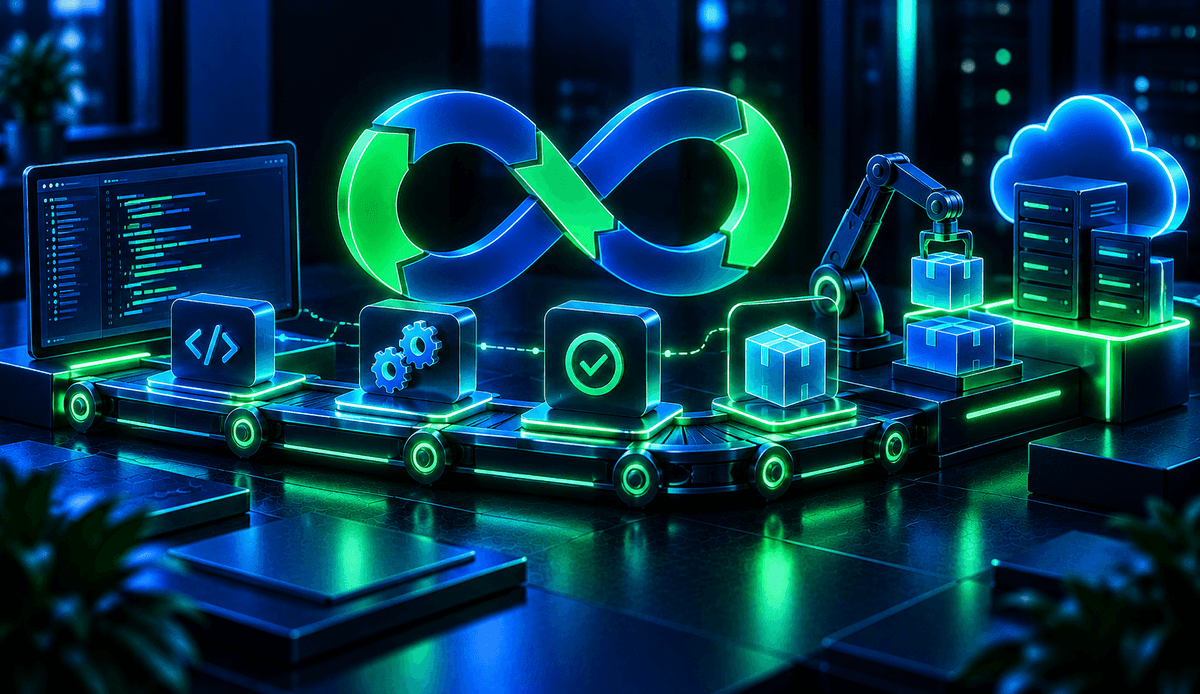
A CI/CD pipeline is a series of automated or semi-automated steps that take code from the developer to the end user. A pipeline makes it possible to define in advance which checks and processes code changes must go through.
A typical pipeline may include the following stages:
- Retrieving code from the repository
- Building or packaging the project
- Running automated tests
- Performing code quality checks
- Packaging the application
- Deploying to a testing or production environment
The pipeline structure does not have to be the same for every project. Different stages can be added depending on the technologies used, team structure, and application requirements.
How Does CI/CD Work?
The CI/CD process generally starts when a developer pushes a code change to a version control system. This action can trigger the pipeline.
The pipeline runs the defined steps in a specific order. The code is built, tests are executed, and the required checks are performed. If an error occurs at any stage, the process can be stopped and the developer can be notified.
When all checks are successful, the application can be moved to the next environment. Depending on the CI/CD approach being used, this deployment can take place after manual approval or automatically.
Why Is CI/CD Important?
CI/CD helps automate repetitive tasks in the software development process. This means developers do not have to manually perform the same checks after every code change.
It can also help identify problems earlier in the development process. Regular integration and automated testing allow teams to evaluate more quickly how code changes affect the existing system.
What Are the Advantages of Using CI/CD?
The benefits of CI/CD can vary depending on the structure of the project. However, automation and regular checks can help make the development process more predictable for many software teams.
Key advantages include:
- Faster feedback: Code changes can go through automated checks.
- Less manual work: Repetitive testing and deployment steps can be automated.
- Early error detection: Problems can be identified at earlier stages of development.
- Consistent release process: Software releases can be managed according to defined rules.
- Team collaboration: It can help integrate changes made by different developers in a more consistent way.
Which Tools Are Used for CI/CD?
The tools used in CI/CD processes vary depending on the project's technologies and requirements. Some tools directly manage CI/CD processes, while others are used for source code repositories, testing, containers, or deployment.
Commonly used tools include:
- GitHub Actions: Can be used to automate software workflows in GitHub repositories.
- GitLab CI/CD: Can be used for code changes, testing, and deployment processes on GitLab.
- Jenkins: An open-source automation server that can automate various software development processes.
- Azure DevOps: Can be used to create CI/CD pipelines for software development and delivery processes.
- CircleCI: Helps manage automated testing and software delivery processes.
When choosing a tool, it is important to consider not only its popularity but also the technologies used by the project, the existing infrastructure, and the team's requirements.
What Is the Difference Between CI/CD and DevOps?
Although CI/CD and DevOps are closely related, they are not the same concept. DevOps is a broader approach that focuses on collaboration between software development and operations teams and covers processes ranging from software development to deployment and operation.
CI/CD, on the other hand, is one of the key practices focused on automation within these processes. In other words, CI/CD can be considered one of the methods that helps implement the DevOps approach.
What Should Be Considered When Building a CI/CD Pipeline?
A well-designed pipeline should focus not only on automatically deploying code but also on creating a reliable development process. Therefore, when designing a pipeline, the project's requirements and the processes that the team can realistically implement should be considered together.
The following points can be taken into account:
- Running tests as early as possible in the process
- Stopping the process when a step fails
- Keeping environments separate
- Making pipeline results easy to monitor and track
- Reducing unnecessary and repetitive steps
- Managing sensitive information securely
What Should You Know to Learn CI/CD?
For those who want to learn CI/CD, having a basic understanding of software development and version control concepts is useful. In particular, knowledge of Git, the command line, and basic software testing can make CI/CD processes easier to understand.
After that, learners can explore pipeline concepts, automated testing, application deployment, and one of the commonly used CI/CD tools. Container technologies such as Docker and cloud platforms can also help developers understand CI/CD processes at a more advanced level.
CI/CD helps make code integration, testing, and deployment steps in the software development process more consistent and automated. While CI enables regular checking of code changes, CD manages the software release process. A well-designed pipeline can help teams work in a more controlled and sustainable way.