What Is Ransomware? How Can Companies Protect Themselves?

 09.23.2026
Ransomware is a type of malicious software that prevents access to files or data on systems and demands payment from victims. In this guide, we will explore what ransomware is, how it spreads, what measures companies can take, and how organizations can prepare for a potential attack.
What is ransomware?
Ransomware is a type of malicious software that can encrypt data on computer systems and make it inaccessible. Attackers may demand a ransom in exchange for restoring access to the affected files.
Ransomware can target not only individual computers but also servers, applications, and different data sources used by companies. For this reason, ransomware should be considered not only a file security issue but also a business continuity and data integrity concern.
How does ransomware work?
A ransomware attack can involve several stages, including gaining access to a system, executing the malicious software, and damaging or encrypting targeted data. In some attacks, the malware may also spread to other systems across the network.
The method used in an attack can vary depending on the type of ransomware and the structure of the target system. Therefore, companies should avoid relying on a single security measure and instead establish a security approach based on multiple layers of protection.
How does ransomware infect companies?
Ransomware attacks can use different methods to gain access to systems. These may include phishing emails, malicious links, exploitation of security vulnerabilities, and inadequately protected remote access systems.
A company's systems, applications, and user accounts should be evaluated as part of a broader security environment. Outdated software and excessive access privileges can increase the potential impact of an attack.
What data does ransomware target?
Different types of company data can become targets during ransomware attacks. NIST notes that databases, system files, configuration files, user files, application code, and customer data can all be affected.
For this reason, companies should protect not only files stored on employees' computers but also all systems containing critical business data. Identifying which data is critical in advance can make it easier to develop an effective security plan.
How can companies protect themselves against ransomware?
No single technology or security product is enough to eliminate ransomware risk. Recommendations from organizations such as NIST and ENISA cover multiple areas, including backups, software updates, access control, network security, security awareness, and incident response.
Companies can focus on the following key areas:
- Regular backups: Up-to-date backups of critical data should be maintained.
- Protecting backups: Backups should be isolated in a way that prevents attackers from accessing or deleting them.
- Software updates: Security updates for operating systems and applications should be applied regularly.
- Access control: Giving users only the permissions they need can help limit the spread and impact of an attack.
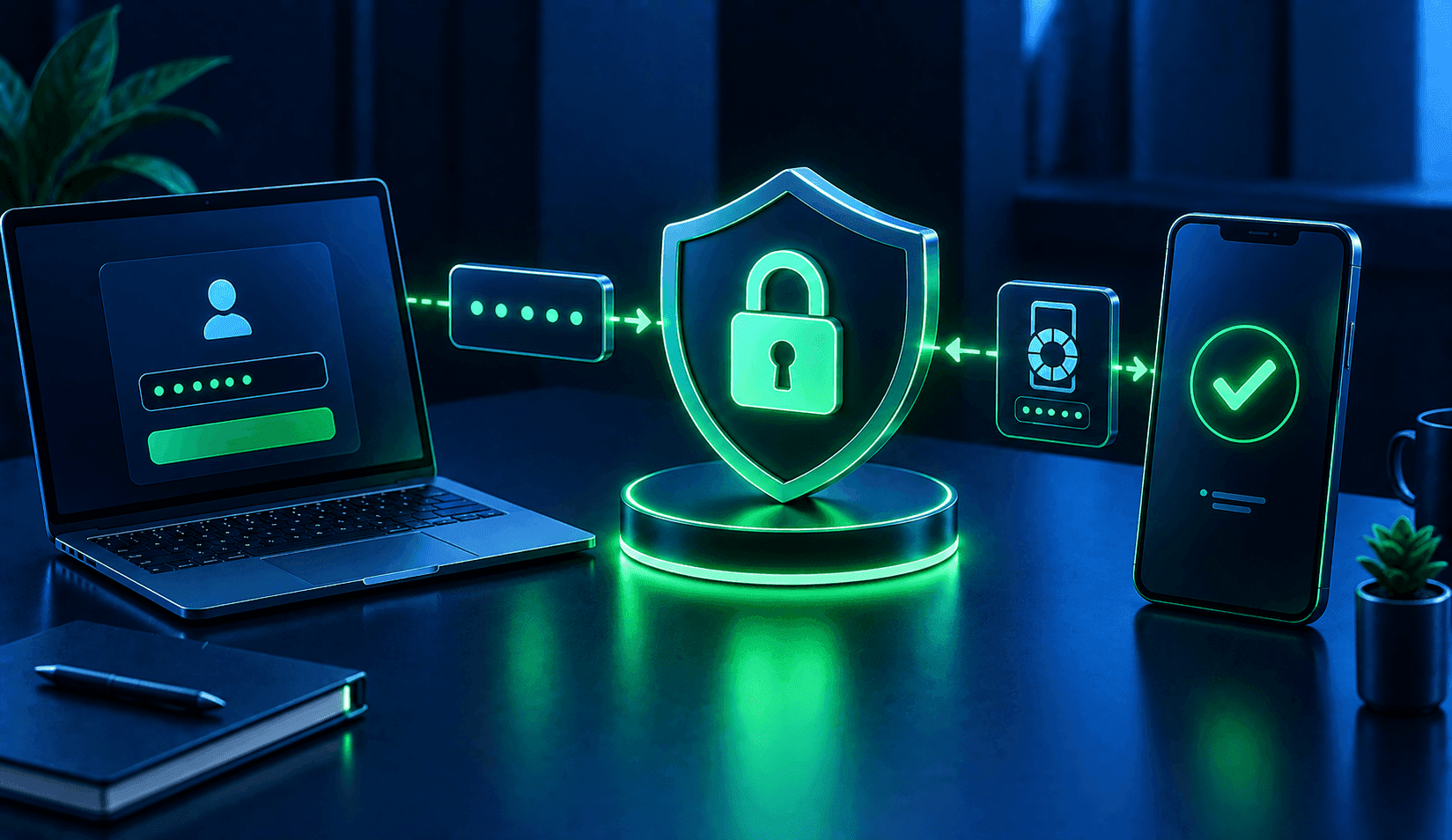
- Multi-factor authentication: Additional authentication layers can be used, particularly for critical accounts.
- Security awareness: Regular awareness activities can help employees recognize suspicious emails, links, and files.
- Network segmentation: Dividing a network into separate segments can help limit the spread of an incident from one system to others.
Why are backups important against ransomware?
Backups are one of the fundamental preparations for restoring data after a ransomware attack. However, simply creating backups is not enough. Backups must be stored securely and tested to make sure they can actually be restored when needed.
NIST recommends regularly testing backup and recovery strategies. CISA also emphasizes maintaining offline and encrypted backups and testing them regularly to prepare for ransomware attacks.
For this reason, companies should evaluate their backup plans not only by asking, "Are our data being copied?" but also by asking, "How reliably can we restore this data when we need it?"
Why is employee awareness important against ransomware?
In addition to technical security measures, employee awareness also plays an important role in cybersecurity. Suspicious emails, unexpected files, and untrusted links can be among the methods used to gain access during ransomware attacks.
Companies can therefore provide regular security awareness training for their employees. Training can cover how to identify suspicious messages, how to protect credentials, and which channel to use when reporting a suspicious situation.
How do software updates reduce ransomware risk?
Outdated operating systems and applications can increase the attack surface because of known security vulnerabilities. Regularly updating the software and systems used by a company is therefore a fundamental security practice.
Update processes should be managed regularly and in a controlled manner. Companies can monitor the systems they use and make sure critical updates are incorporated into their regular maintenance processes.
Why is an incident response plan necessary for ransomware attacks?
No security measure can completely eliminate every possible attack scenario. For this reason, companies should have a predefined incident response and recovery plan for a potential ransomware incident. NIST also recommends developing and regularly exercising incident recovery plans.
It may not be enough for the plan to be known only by the technical team. Organizations can determine in advance who will make decisions during an incident, which systems should be prioritized, how communication will be managed, and how data will be restored.
What should you do if a ransomware attack occurs?
When a ransomware attack is suspected, it is important to act quickly and in a controlled manner. Organizations may need to first limit the spread of the incident, isolate affected systems according to their security procedures, and activate their incident response plan.
Technical investigation and recovery activities should be carried out by qualified cybersecurity teams. Depending on the nature of the incident, it may also be necessary to notify relevant authorities or law enforcement agencies. NIST notes that effective detection and response can help reduce the impact of data integrity incidents.
Paying the ransom should not be considered a technical security solution. ENISA notes that making a payment does not guarantee that files will be recovered or that systems will be restored.
How can companies manage ransomware risk?
Managing ransomware risk should not focus only on responding after an attack has occurred. Identifying assets, managing vulnerabilities, limiting access, protecting backups, and planning incident response can all be addressed as part of a broader security strategy.
NIST's current approach to ransomware risk management also addresses different security objectives, including protection, detection, response, and recovery.
Companies can evaluate this process according to their own infrastructure, data environments, and operations. Identifying critical systems and data in advance can help organizations prioritize their security efforts.
Ransomware is a significant cybersecurity risk that can affect a company's data and operations. Keeping systems up to date, implementing strong access controls, improving employee awareness, maintaining secure and tested backups, and preparing an incident response plan can all help organizations manage ransomware risk.