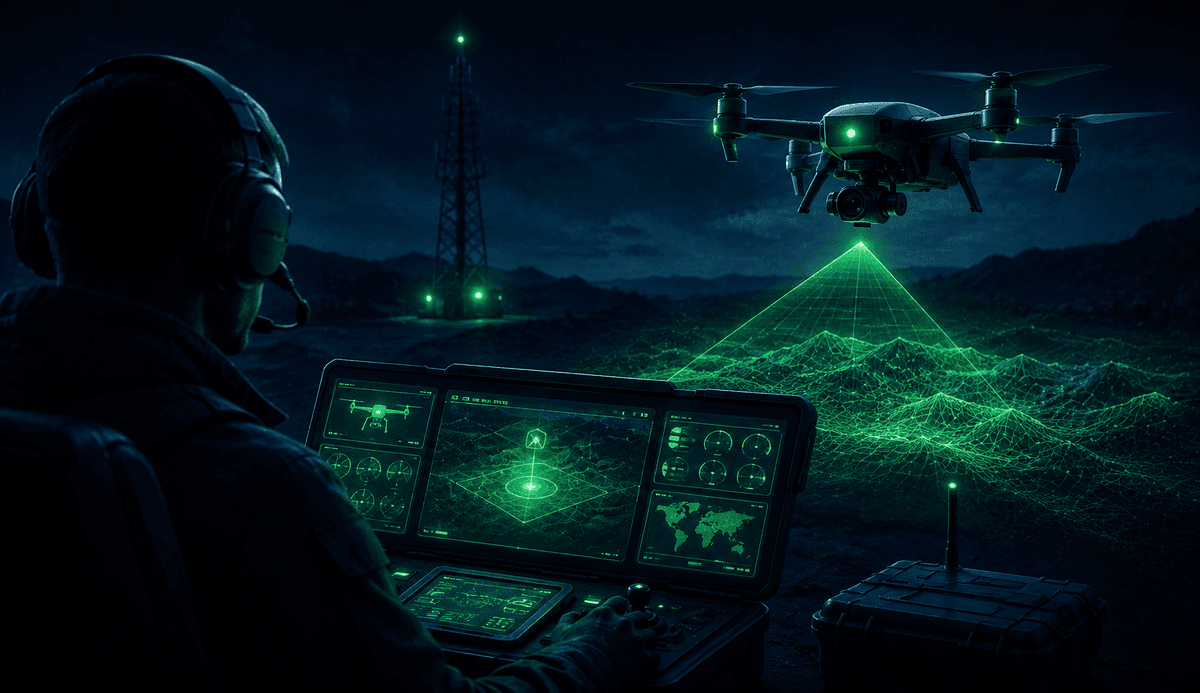
What is the Unmanned Aerial Vehicle Technology and Operation Department? How to Become One?

 06.16.2026
What Is the Unmanned Aerial Vehicle Technology and Operations Program? How Can You Become an Unmanned Aerial Vehicle Operator?
If you think unmanned aerial vehicles (UAVs) are only used in the defense industry, there are many developments that might surprise you. From agriculture and logistics to mapping and disaster management, these technologies are now utilized across a wide range of industries, creating new career opportunities along the way. But how are the professionals who develop, manage, and safely operate these systems trained?
In this article, you can find everything you need to know about the Unmanned Aerial Vehicle Technology and Operations Program. From the duration of the program and its courses to admission scores and career opportunities, we answer many frequently asked questions while exploring how you can build a career as a UAV Operator.
What Is the Unmanned Aerial Vehicle Technology and Operations Program?
The Unmanned Aerial Vehicle Technology and Operations Program is an associate degree program designed to train professionals specializing in the design, operation, maintenance, and management of unmanned aerial vehicles.
Students in this program do much more than learn how to fly drones. They also gain knowledge in areas such as flight safety, aviation law, electronic systems, data collection, and operational planning.
As the applications of UAV technologies continue to expand, the demand for professionals in this field is rapidly increasing. For this reason, the program is considered one of the most promising educational paths of the future.
How Long Is the Unmanned Aerial Vehicle Technology and Operations Program?
The Unmanned Aerial Vehicle Technology and Operations Program is generally offered as a two-year associate degree program.
Throughout the four-semester curriculum, students take both theoretical and practical courses. Some universities also require or offer optional internship opportunities, allowing students to gain firsthand industry experience.
After completing their associate degree, graduates may continue their academic journey by transferring to bachelor's degree programs through the Vertical Transfer Examination (DGS).
What Courses Are Offered in the Unmanned Aerial Vehicle Technology and Operations Program?
Course offerings may vary depending on the university. However, students commonly encounter the following subjects:
- Unmanned Aerial Vehicle Systems
- Basic Electronics
- Flight Principles
- Aviation Meteorology
- Aviation Law and Regulations
- Flight Operations Management
- Navigation Systems
- Mapping and Data Collection Techniques
- UAV Maintenance and Repair Applications
- Occupational Health and Safety
- Technical English
- Computer-Aided Design
These courses equip students with the technical knowledge and operational skills they will need in the field.
What Are the Admission Scores for the Unmanned Aerial Vehicle Technology and Operations Program?
The ranking requirements and admission scores for the Unmanned Aerial Vehicle Technology and Operations Program vary each year.
Factors such as university quotas, applicants' preferences, and exam performance directly affect admission scores. Therefore, reviewing the latest YKS preference guide during the application period is highly recommended.
Instead of focusing solely on scores, prospective students should also evaluate the university's laboratory facilities, practical training opportunities, and industry collaborations.
What Should You Consider When Choosing the Program in 2025?
Candidates planning to apply in 2025 should consider the following factors:
- Practical training opportunities offered by the university
- The quality and modernity of the UAV equipment used
- Industry experience of the academic staff
- Internship and industry partnership opportunities
- Graduate employment rates
- Campus facilities
- Vertical transfer opportunities to bachelor's programs
Especially in rapidly evolving technology fields, hands-on experience provides a significant advantage alongside theoretical knowledge.
What Do UAV Technology and Operations Students Study, and What Can They Specialize In?
Students in this field gain much more than flight skills throughout their education. They also develop expertise in interdisciplinary areas such as data analysis and operations management.
Possible areas of specialization include:
- Industrial drone operations
- Agricultural drone applications
- Photogrammetry and mapping
- Disaster and emergency management
- Logistics operations
- Aerial photography and imaging
- Maintenance and technical support processes
These specialization options diversify career opportunities for graduates.
Universities in Türkiye Offering the Unmanned Aerial Vehicle Technology and Operations Program
The number of universities offering the Unmanned Aerial Vehicle Technology and Operations Program continues to increase over time.
Prospective students should review the latest guide published by ÖSYM during the preference period, as new universities may introduce the program and quotas may change.
When selecting a university, evaluating educational quality and practical opportunities is often more beneficial than focusing solely on location or admission scores.
How Can You Become an Unmanned Aerial Vehicle Operator?
Individuals who wish to become UAV Operators should first complete the relevant associate degree program.
However, a diploma alone may not be sufficient for success in the profession. Obtaining the necessary certifications and licenses in accordance with regulations established by the Directorate General of Civil Aviation is also essential.
The following steps are particularly important:
- Graduate from the relevant associate degree program
- Gain practical flight experience
- Follow certification and licensing procedures
- Keep up with technological developments
- Remain committed to continuous learning
Hands-on field experience plays a crucial role in career development.
What Does an Unmanned Aerial Vehicle Operator Do?
"What does an Unmanned Aerial Vehicle Operator do?" is one of the most frequently asked questions by those interested in this profession.
A UAV Operator typically:
- Plans flight operations,
- Conducts technical inspections before flights,
- Safely manages UAV systems,
- Analyzes collected data,
- Supports maintenance processes,
- Ensures compliance with regulations,
- Handles reporting and documentation procedures.
Their work is not limited to the defense industry. They can also be employed in agriculture, energy, construction, media, and public institutions.
Career Opportunities and Challenges in UAV Technology and Operations
Career opportunities in UAV Technology and Operations continue to expand.
As digital transformation accelerates, drone technologies are increasingly being adopted across various industries, creating new employment opportunities.
Career Opportunities:
- Defense industry
- Agricultural technology companies
- Mapping and engineering firms
- Energy sector
- Logistics and transportation
- Media and production companies
- Public institutions
However, the profession also comes with certain challenges. Keeping up with evolving regulations, adapting to new technologies, and carefully managing operational responsibilities are among the key requirements of the field.
How Much Does an Unmanned Aerial Vehicle Operator Earn?
It is difficult to provide an exact figure regarding UAV Operator salaries.
Income levels vary depending on factors such as experience, area of specialization, certifications, the size of the employer, and geographic location.
Naturally, the earnings of a newly graduated professional differ from those of an experienced specialist who has managed various types of operations. Salary differences may also exist between the defense industry, private sector positions, and project-based work.
Therefore, when planning a career, individuals should focus not only on salary expectations but also on development opportunities, specialization paths, and long-term career goals.
The Unmanned Aerial Vehicle Technology and Operations Program offers significant opportunities for individuals who are passionate about technology and wish to build a career in one of the professions of the future. The technical knowledge, practical experience, and industry awareness gained during the educational process enable graduates to find their place across a variety of sectors. Moreover, the growing use of unmanned aerial vehicles in emerging industries presents a promising outlook for the future of this profession.
If you want to become part of the technologies shaping the skies, contribute to innovative projects, and build a career in one of tomorrow's most exciting professions, you can start developing your skills today. Are you ready to take your first step toward a career in Unmanned Aerial Vehicle Technology and Operations? Explore the latest Unmanned Aerial Vehicle Technology and Operations job opportunities on Techcareer.net and start shaping your future career today!