What is the Control and Automation Technology Department? What do its graduates do?

 06.22.2026
What Is the Control and Automation Technology Program? How Can You Become a Control and Automation Specialist?
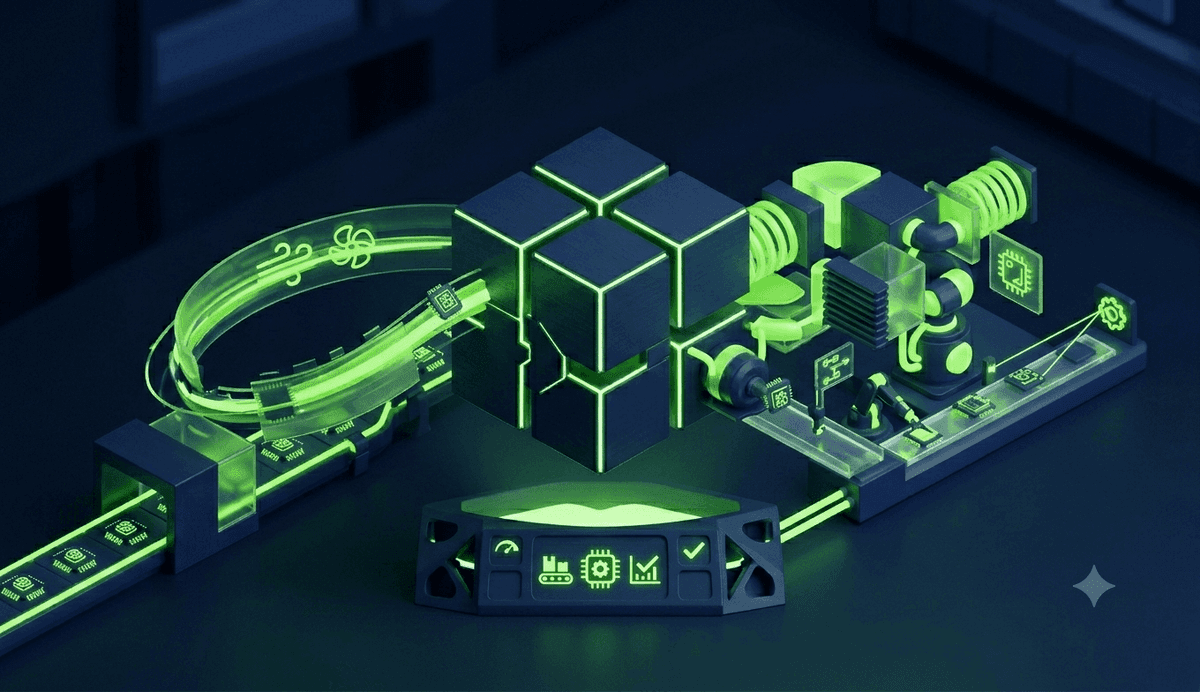
Today, many production lines, smart factories, and industrial robots operate through automation systems. The ability of a factory to manufacture thousands of products without human intervention or for a facility to manage its processes accurately is made possible by advancements in control and automation technologies.
The Control and Automation Technology Program is an important associate degree program that trains professionals in the installation, management, and development of systems that form the foundation of modern manufacturing processes. In this article, you will find detailed information about Control and Automation Technology courses, career opportunities, job prospects, and the steps required to become a Control and Automation Specialist.
What Is Control and Automation Technology?
Control and Automation Technology is a field that encompasses technologies enabling machines and production systems to operate automatically according to predefined rules.
The primary goal of this field is to reduce human intervention while making processes more efficient, faster, and safer.
Control and automation systems are widely used in:
- Industrial manufacturing facilities
- Power plants
- Automotive factories
- Food production facilities
- Smart building systems
- Robotic applications
As the Industry 4.0 transformation accelerates, automation technologies continue to gain greater importance.
How Long Is the Control and Automation Technology Program?
The Control and Automation Technology Program is a 2-year associate degree program offered by vocational schools and community colleges.
Throughout the program, students are prepared for the industry through both theoretical courses and hands-on laboratory training. The curriculum focuses on topics such as automation systems, electronic circuits, and programmable control devices.
Graduates may continue their education by transferring to related bachelor's degree programs through vertical transfer opportunities or equivalent pathways available within their education system.
What Courses Are Included in the Control and Automation Technology Program?
Control and Automation Technology courses provide students with knowledge of both electronic and software-based automation systems.
Although course content may vary by institution, commonly offered courses include:
- Basic Electrical and Electronics
- Technical Drawing
- Digital Electronics
- Microcontrollers
- PLC Programming
- Sensors and Transducers
- Industrial Control Systems
- Automation Systems
- Robotic Systems
- Hydraulic and Pneumatic Systems
- Industrial Communication
- Computer-Aided Design (CAD)
- Occupational Health and Safety
- Professional Applications
These courses help students build the technical foundation required to develop automation projects.
What Are the Admission Scores for the Control and Automation Technology Program?
Admission scores and rankings for the Control and Automation Technology Program vary each year depending on application demand, program quotas, and examination results.
For this reason, reviewing the most up-to-date data during the university selection period is essential.
In addition to admission scores, students should evaluate:
- Academic rankings
- University technical infrastructure
- Laboratory facilities
- Internship opportunities
- Industry partnerships
- Graduate employment rates
Making the right choice requires focusing not only on scores but also on educational quality.
What Should You Consider When Choosing the Control and Automation Technology Program in 2026?
Given the rapid evolution of the technology sector, it is important to consider future industry needs when selecting a program.
When evaluating programs in 2026, consider:
- Laboratory equipment and facilities
- PLC and robotics training opportunities
- Industry collaborations
- Internship and practical learning opportunities
- Faculty experience
- Graduate career achievements
- Transfer opportunities to bachelor's degree programs
Practical training opportunities are particularly valuable in the automation field and can provide significant advantages after graduation.
What Do Control and Automation Technology Students Study? What Areas Can They Specialize In?
Students in this program learn not only electronic and mechanical systems but also how these systems work together.
Potential areas of specialization include:
- Industrial automation systems
- PLC programming
- Robotic applications
- AI-powered production systems
- Smart factory technologies
- SCADA systems
- Industrial communication networks
- Energy automation
With technological advancements, fields such as artificial intelligence and the Internet of Things (IoT) are becoming increasingly important components of the automation industry.
Universities Offering Control and Automation Technology Programs in Türkiye
Many public and private universities in Türkiye offer Control and Automation Technology programs through their vocational schools.
Program capacities and details may change annually, so prospective students should review the latest information available through official higher education resources.
When selecting a university, factors such as:
- Technical laboratories
- Application and research centers
- Industry connections
- Academic staff
- Internship opportunities
should be carefully evaluated.
How Can You Become a Control and Automation Specialist?
To become a Control and Automation Specialist, individuals typically begin by completing a relevant educational program.
Those who want to excel in this career path can follow these steps:
- Graduate from a Control and Automation Technology Program or a related technical field.
- Gain internship and field experience.
- Specialize in PLC programming.
- Complete training in robotics and industrial automation systems.
- Learn technical software and design tools.
- Enhance professional competencies through certifications and continuing education.
Because technology evolves continuously, adopting a lifelong learning mindset is essential in this profession.
What Does a Control and Automation Specialist Do?
The responsibilities of a Control and Automation Specialist may vary depending on the industry and workplace.
In general, their duties include:
- Installing and commissioning automation systems
- Developing PLC programs
- Managing sensors and control equipment
- Analyzing production processes
- Improving system performance
- Identifying and resolving technical issues
- Maintaining robotic systems
- Preparing technical reports
The primary objective is to ensure that production and control processes operate at maximum efficiency.
Career Opportunities and Challenges in Control and Automation Technology
Career opportunities in Control and Automation Technology are extensive. Investments in digital transformation and Industry 4.0 continue to increase demand for professionals in this field.
Graduates can find employment in:
- Automotive industry
- Defense industry
- Energy companies
- Manufacturing facilities
- Robotics companies
- Technology firms
- Automation integrators
- Public institutions
However, the profession requires continuous learning. Keeping up with emerging technologies, learning new software platforms, and adapting to evolving industry needs can sometimes be challenging.
Despite these challenges, professionals who continuously improve their technical skills can enjoy strong long-term career prospects.
How Much Does a Control and Automation Specialist Earn?
Salaries for Control and Automation Specialists vary depending on numerous factors, making it difficult to provide a single salary figure that applies to everyone.
The main factors influencing salary levels include:
- Experience level
- Area of specialization
- Industry sector
- Company size
- Location
- Technical certifications
- Managerial responsibilities
Naturally, a newly graduated specialist and an automation professional with ten years of experience will have different earning potential. Professionals specializing in robotics, industrial automation, and smart manufacturing technologies often gain access to broader career opportunities and higher compensation levels.
Conclusion
The Control and Automation Technology Program offers strong career opportunities for individuals who want to combine technology with manufacturing and industrial processes. As Industry 4.0, artificial intelligence, robotics, and smart factory technologies become more widespread, the demand for professionals in this field continues to grow.
The technical knowledge and practical skills gained throughout the program enable graduates to pursue careers across a wide range of industries. If you are curious about how machines work, interested in integrating technology into production processes, and eager to build a career in one of the professions of the future, this program may be an excellent choice for you.
Are you ready to take the first step in your Control and Automation Technology career journey? Explore the latest Control and Automation Specialist job opportunities on Techcareer.net and start shaping your future today.