What Is Kubernetes? Key Concepts and Use Cases

 10.08.2026
Kubernetes is an open-source platform that automates the management of container-based applications. In this guide, we will take a simple look at what Kubernetes is, how it works, its basic concepts, and the areas where it is used.
What is Kubernetes?
Kubernetes is an open-source container orchestration platform used to manage applications running in containers. Orchestration refers to automating the processes of creating, running, scaling, and managing multiple containers.
Managing containers manually can become difficult, especially in projects with a large number of containers. Kubernetes helps run these containers according to defined rules and manage system resources in a more organized way.
Kubernetes is also commonly referred to as K8s. The "8" represents the eight letters between "K" and "s".
What is Kubernetes used for?
Kubernetes helps container-based applications run in a more organized way across different environments. It can automate tasks such as changing the number of containers based on application requirements or restarting a container that has failed.
Some of the main purposes of Kubernetes include:
- Managing containers
- Scaling applications
- Managing the availability of application services
- Organizing resource usage
- Managing application deployments
- Restarting containers that are not running properly
These features allow developers and operations teams to manage applications containing large numbers of containers in a more systematic way.
How does Kubernetes work?
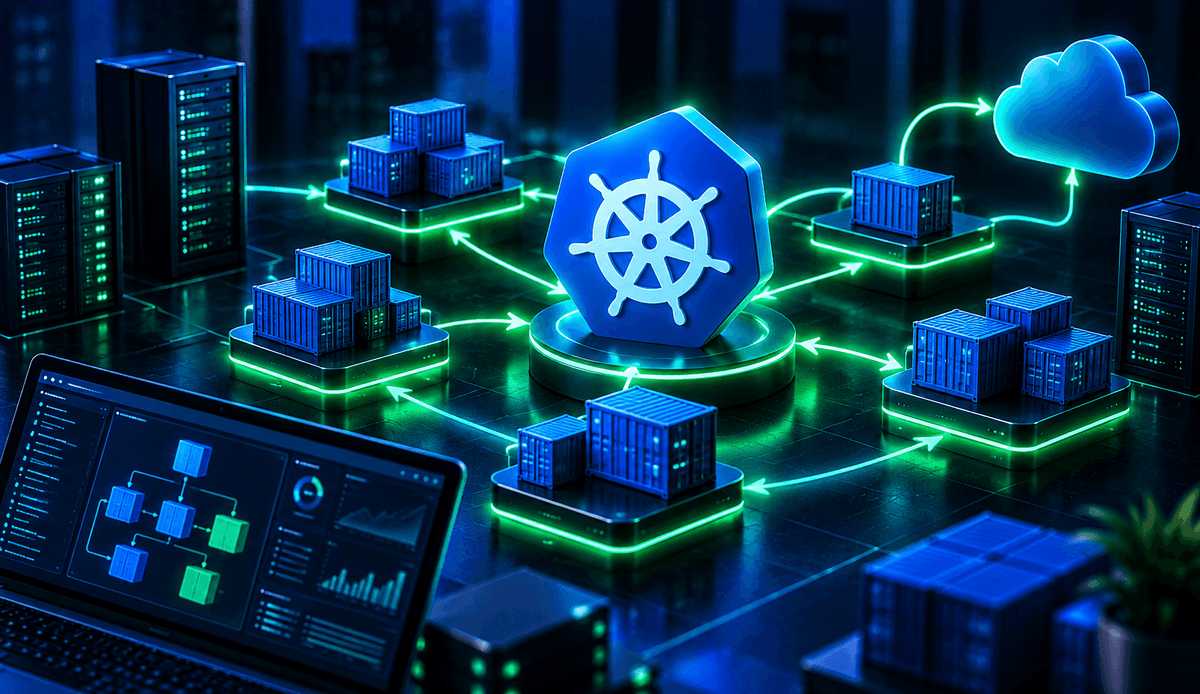
Kubernetes operates through a cluster where applications run. A cluster consists of a group of machines managed together by Kubernetes. These machines can be physical servers or virtual machines.
There are two main roles within a cluster: the control plane and worker nodes. The control plane manages the overall state of the cluster, while worker nodes are the machines where applications run.
Users tell Kubernetes how they want an application to operate. Kubernetes then performs the necessary actions to bring the current state of the system closer to the desired state.
What is a Kubernetes cluster?
A Kubernetes cluster is the operating environment made up of resources managed by Kubernetes. A cluster contains nodes where applications run and control plane components that manage these nodes.
For example, you may want multiple copies of an application to run at the same time. Kubernetes helps maintain the desired setup by ensuring that these copies run on suitable nodes.
What is a Kubernetes node?
A node is a machine within a Kubernetes cluster where containers run. Each node provides the resources required for applications to operate and is managed by Kubernetes.
A cluster can contain multiple nodes. Kubernetes can determine which node an application should run on. This allows workloads to be distributed according to the available resources within the cluster.
What is a Kubernetes pod?
A Pod is the smallest deployable unit in Kubernetes. A pod can contain one or more containers.
In the most common setup, a pod runs a single container. However, closely related containers can also run within the same pod. Containers within the same pod can share certain network and storage resources.
What is a Kubernetes deployment?
A Deployment is a Kubernetes resource that helps manage applications by running and updating them with the desired number of pods.
For example, if you want three copies of an application to run, you can define this configuration through a Deployment. Kubernetes attempts to keep the number of running pods consistent with the specified target.
A Deployment can also help perform application updates in a controlled manner. This makes the process of moving to new versions more manageable.
What is a Kubernetes service?
Since pods can be created and deleted, relying directly on pod IP addresses may not be practical for application communication. A Service helps provide a stable network access point for a set of pods.
A Service groups the pods running in the background according to specific rules. This means other components of the application do not have to track the changing IP addresses of individual pods.
What is a Kubernetes namespace?
A Namespace is a structure used to logically separate resources within the same Kubernetes cluster. It can be particularly useful when different teams, projects, or environments are running on the same cluster.
For example, development and testing environments can be managed in separate namespaces. This approach helps organize resources into clearer groups.
Where is Kubernetes used?
Kubernetes can be used in various software development and operations scenarios where container-based applications are widely used. The automation it provides becomes particularly valuable as the number of applications or containers increases.
Common use cases include:
- Microservice applications: It can be used to run and manage different services of an application independently.
- Cloud applications: It can simplify the management of container-based applications across different cloud infrastructures.
- DevOps processes: It can contribute to automating application development and operations processes.
- Large-scale applications: It can help applications scale according to increasing workloads.
- Hybrid environments: It can provide container management in environments where different types of infrastructure are used together.
What is the difference between Kubernetes and Docker?
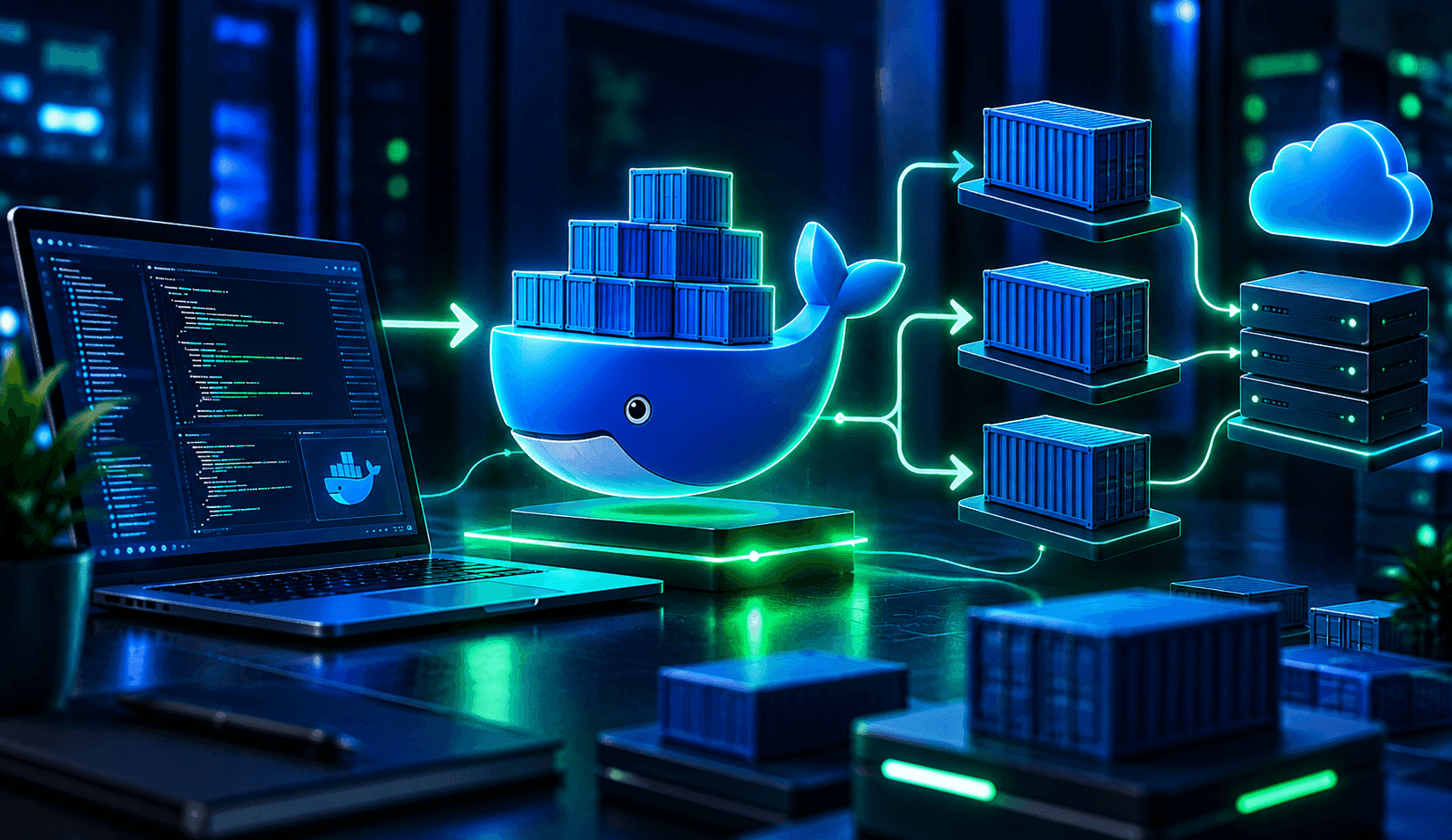
Docker and Kubernetes are not tools that perform the same job. Docker is a container technology and platform used for creating and running containers. Kubernetes, on the other hand, focuses on managing and orchestrating container-based applications at a larger scale.
Simply put, you can think of Docker as a technology that helps run containers, while Kubernetes helps manage large numbers of containers. Kubernetes can work with different technologies that provide container runtime environments.
How can you start learning Kubernetes?
When learning Kubernetes, it is useful to understand the basic container concepts before moving directly into advanced cluster management. Familiarity with concepts such as images, containers, and Docker can make the learning process easier.
You can then learn about Kubernetes resources such as Pods, Deployments, Services, and Namespaces. Running a simple application in a local environment is a good starting point for understanding how these resources work together.
Kubernetes is a powerful platform that helps automate the deployment, scaling, and management of container-based applications. Understanding fundamental concepts such as Pods, Nodes, Deployments, and Services provides a solid foundation for learning the Kubernetes ecosystem.