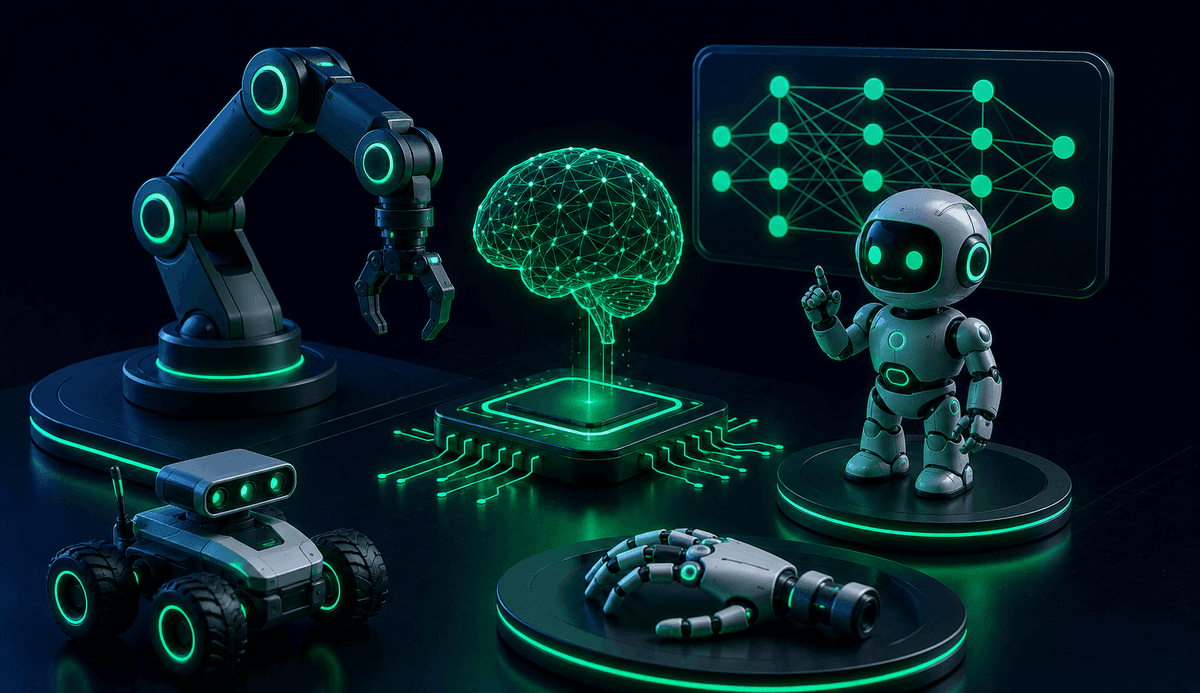
What is the Robotics and Artificial Intelligence Department? What do its graduates do?

 07.16.2026
What Is the Robotics and Artificial Intelligence Program? How Can You Become a Robotics and Artificial Intelligence Specialist?
Self-driving robots, AI systems capable of communicating naturally with humans, and intelligent machines that automate manufacturing processes are no longer just the stuff of science fiction. Today, robotics and artificial intelligence technologies are actively used across industries such as healthcare, automotive, defense, manufacturing, and logistics. As these technologies continue to transform industries, the demand for qualified professionals grows every year.
So, what exactly does the Robotics and Artificial Intelligence program cover? What career opportunities are available for graduates? What does a Robotics and Artificial Intelligence Specialist do, and what knowledge and skills are required to succeed in this field? In this guide, you'll find everything you need to know—from the educational journey to career opportunities.
What Is Robotics and Artificial Intelligence?
The Robotics and Artificial Intelligence program is an interdisciplinary degree designed to educate professionals who can design, develop, and manage intelligent systems. It combines computer engineering, electronics, mechanical engineering, data science, and artificial intelligence technologies, enabling students to gain expertise in both software and hardware.
Throughout their education, students learn theoretical concepts while developing practical projects in areas such as robot design, machine learning, computer vision, sensor technologies, and autonomous systems.
Robotics and AI technologies extend far beyond industrial robots. They are applied in smart manufacturing systems, unmanned aerial vehicles (UAVs), healthcare technologies, autonomous vehicles, and many other fields.
How Long Is the Robotics and Artificial Intelligence Program?
The Robotics and Artificial Intelligence program is generally offered as a four-year bachelor's degree. During their studies, students take both core engineering courses and specialized courses in AI and robotics.
The curriculum typically includes:
- Programming
- Electronic Circuits
- Robotic Systems
- Machine Learning
- Data Analysis
- Control Systems
- Computer Vision
Many universities also support students through laboratory work, capstone projects, and internship programs that provide valuable real-world experience before graduation.
What Courses Are Included in the Robotics and Artificial Intelligence Program?
Course offerings may vary between universities, but the following subjects generally form the core curriculum:
- Fundamentals of Programming
- Python and C++ Programming
- Data Structures and Algorithms
- Fundamentals of Artificial Intelligence
- Machine Learning
- Deep Learning
- Robotic Systems
- Sensor Technologies
- Microcontrollers
- Control Systems
- Computer Vision
- Image Processing
- Mathematics
- Linear Algebra
- Probability and Statistics
- Embedded Systems
- Software Engineering
These courses help students develop expertise in both software development and the physical components of robotic systems.
What Are the Admission Scores for the Robotics and Artificial Intelligence Program?
Admission scores and rankings for the Robotics and Artificial Intelligence program vary each year depending on university quotas, applicant demand, and placement results.
For this reason, there is no single admission score. Prospective students should review the latest university entrance guide and compare previous years' rankings before making their choices.
When selecting a university, laboratory facilities and industry partnerships should be considered alongside admission scores.
What Should You Consider When Choosing a Robotics and Artificial Intelligence Program in 2026?
Students planning to enroll in the Robotics and Artificial Intelligence program in 2026 should carefully review each university's curriculum.
Important factors to consider include:
- An up-to-date AI curriculum
- Quality of robotics laboratories
- Faculty expertise
- Industry collaborations
- Internship opportunities
- International exchange programs
- Research projects
- Graduate career outcomes
Universities that emphasize hands-on education can make the transition into professional life much smoother after graduation.
What Do Robotics and Artificial Intelligence Specialists Study and Specialize In?
A Robotics and Artificial Intelligence Specialist continues learning well beyond university. Since this field evolves rapidly, keeping up with emerging technologies is essential.
Common areas of specialization include:
- Machine Learning
- Deep Learning
- Computer Vision
- Natural Language Processing (NLP)
- Robot Control Systems
- Autonomous Vehicles
- Industrial Robotics
- Embedded Systems
- AI-Powered Automation
- Data Science
Specializing in technologies such as Python, ROS (Robot Operating System), TensorFlow, PyTorch, and OpenCV can significantly enhance career growth.
Universities Offering Robotics and Artificial Intelligence Programs in Türkiye
The number of universities offering Robotics and Artificial Intelligence programs has grown rapidly in recent years. As AI technologies continue to advance, many public and private universities have introduced new undergraduate programs in this field.
During the university selection process, students should consult the latest university entrance guide to identify institutions offering the program.
When choosing a university, consider factors such as:
- Curriculum quality
- Academic staff
- Research laboratories
- Industry partnerships
- Connections with technology development centers
Evaluating these factors together can provide significant long-term career advantages.
How Can You Become a Robotics and Artificial Intelligence Specialist?
Graduating from a Robotics and Artificial Intelligence bachelor's program provides a strong academic foundation. However, developing practical projects and staying current with emerging technologies are equally important for career growth.
Those pursuing this career should:
- Learn Python and C++
- Build a strong mathematical foundation
- Study machine learning algorithms
- Gain hands-on experience with robotic systems
- Contribute to open-source projects
- Read technical resources in English
- Develop AI projects
- Continuously learn new technologies
Participating in hackathons, sharing projects on GitHub, and building a professional portfolio can also provide a significant advantage during job applications.
What Does a Robotics and Artificial Intelligence Specialist Do?
The responsibilities of a Robotics and Artificial Intelligence Specialist vary depending on the industry, but common tasks include:
- Developing AI models
- Programming robotic systems
- Designing autonomous systems
- Creating computer vision algorithms
- Analyzing sensor data
- Training machine learning models
- Improving robot performance
- Integrating software and hardware
- Conducting testing processes
- Researching emerging technologies
These professionals typically collaborate with software developers, electronics engineers, data scientists, and mechanical design teams.
Career Opportunities and Challenges in Robotics and Artificial Intelligence
Robotics and artificial intelligence technologies continue transforming nearly every industry, creating increasingly diverse career opportunities.
Graduates can work in:
- AI startups
- Defense industry companies
- Automotive companies
- Healthcare technology firms
- Industrial automation companies
- Technology companies
- Research centers
- Universities
- Robotics startups
However, this is a fast-moving industry. Learning new algorithms, adapting to emerging technologies, and continuously improving technical skills are among the most important requirements for long-term success.
How Much Does a Robotics and Artificial Intelligence Specialist Earn?
It is difficult to provide a fixed salary figure for Robotics and Artificial Intelligence professionals because compensation depends on many variables.
Income varies according to experience, area of specialization, industry, technologies used, company size, and location. Naturally, a newly graduated engineer and an experienced professional who has been developing AI and robotic systems for many years will earn different salaries.
Professionals working on international projects with advanced technical expertise and strong project portfolios often gain access to broader career opportunities and higher earning potential.
Final Thoughts
Robotics and artificial intelligence are among the most influential disciplines shaping the technologies of the future. The Robotics and Artificial Intelligence program provides a strong academic foundation for individuals who want to build careers in software development, data analysis, and intelligent systems. The projects completed during the program, the technical skills acquired, and a commitment to lifelong learning all play a crucial role in long-term career success.
For individuals who enjoy analytical thinking, continuous learning, and creating innovative technologies, this field offers exciting career opportunities both in Türkiye and globally.
Ready to begin your journey in Robotics and Artificial Intelligence? Explore the latest Robotics and Artificial Intelligence Specialist job opportunities on Techcareer.net, join technology training programs and bootcamps to strengthen your skills, and start building your career in one of the world's most exciting and rapidly evolving fields.