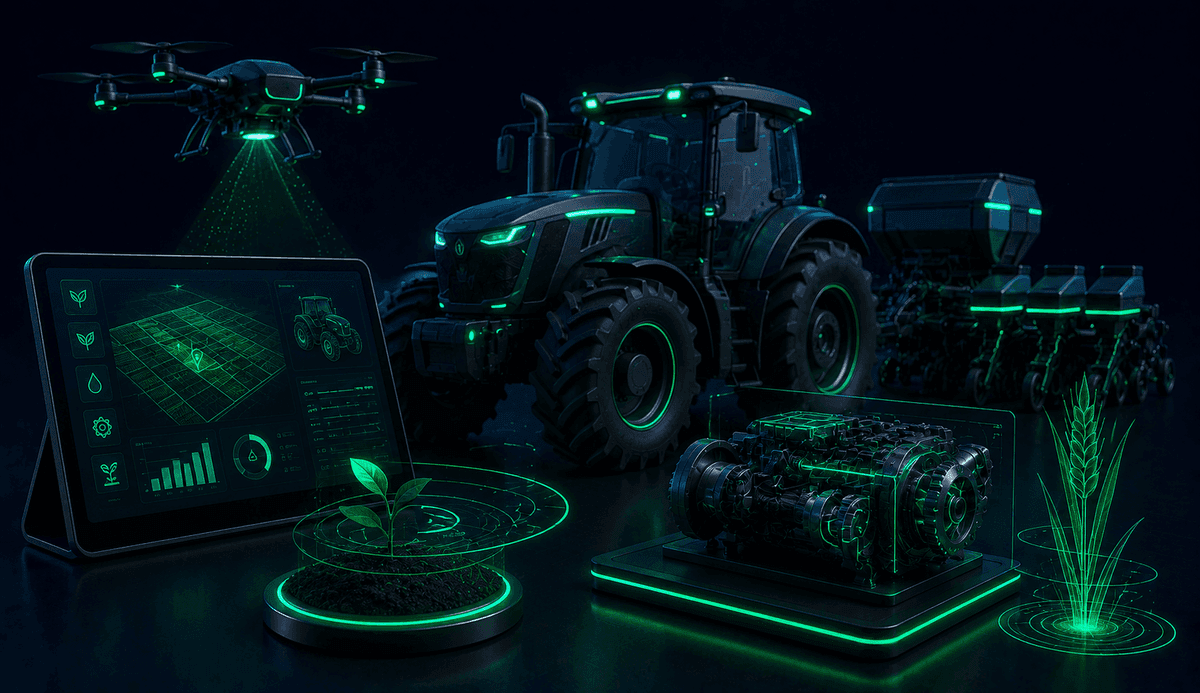
What is the Department of Agricultural Machinery and Technology Engineering?

 07.16.2026
What Is the Agricultural Machinery and Technologies Engineering Department? How to Become an Agricultural Machinery and Technologies Engineer?
Have you ever wondered who designs the tractors, harvesters, irrigation systems, and smart farming technologies used in modern agriculture? Today, agriculture is no longer just about food production—it has become a technology-driven industry where engineering, automation, artificial intelligence, and sustainability come together. One of the key professionals driving this transformation is the Agricultural Machinery and Technologies Engineer.
In this guide, you'll find everything you need to know about the Agricultural Machinery and Technologies Engineering Department. From the duration of the program and course content to career opportunities and job prospects, this comprehensive overview will help you make a more informed decision about your future.
What Is Agricultural Machinery and Technologies Engineering?
The Agricultural Machinery and Technologies Engineering Department is an engineering discipline focused on the design, development, testing, and efficient use of machinery, equipment, and technologies used in agricultural production.
The program goes far beyond designing tractors and combine harvesters. It also covers areas such as:
- Precision agriculture technologies
- Smart irrigation systems
- Agricultural automation
- Robotic farming applications
- Energy efficiency in agriculture
- Maintenance and optimization of agricultural machinery
As the global population grows and the demand for sustainable food production increases, modern agricultural technologies are becoming increasingly important. As a result, Agricultural Machinery and Technologies Engineering is considered one of the engineering fields with significant future potential.
How Long Is the Agricultural Machinery and Technologies Engineering Program?
In Türkiye, the Agricultural Machinery and Technologies Engineering program is a four-year bachelor's degree.
Throughout their education, students take both theoretical and practical courses. Many universities offer laboratory work, technical field trips, field applications, and mandatory internships, allowing students to gain valuable industry experience before graduation.
At universities with a foreign language preparatory program, the total duration may extend to five years.
What Courses Are Included in the Agricultural Machinery and Technologies Engineering Curriculum?
Although course offerings vary by university, the curriculum generally combines engineering fundamentals with agricultural sciences.
Common courses include:
- Mathematics
- Physics
- Chemistry
- Technical Drawing
- Statics
- Strength of Materials
- Machine Elements
- Thermodynamics
- Fluid Mechanics
- Agricultural Machinery
- Tractor Technology
- Agricultural Mechanization
- Irrigation Systems
- Computer-Aided Design (CAD)
- Hydraulic and Pneumatic Systems
- Automation Technologies
- Precision Agriculture Applications
- Energy Use in Agriculture
In the final years of the program, students often specialize in specific areas through elective courses and graduation projects.
What Are the Admission Scores for Agricultural Machinery and Technologies Engineering?
Admission scores and rankings for the Agricultural Machinery and Technologies Engineering Department vary from year to year.
They depend on factors such as:
- University quotas
- Applicant demand
- Placement results
- Admission rankings
Therefore, prospective students should review the latest university entrance guide and official university announcements during the application period. Previous years' admission data can provide useful insight but should not be considered definitive.
What Should You Consider When Choosing an Agricultural Machinery and Technologies Engineering Program in 2026?
Admission scores alone should not determine your university choice.
It is also important to evaluate factors such as:
- Experience of the academic staff
- Laboratory and practical training facilities
- Industry collaborations
- Internship opportunities
- Erasmus and exchange programs
- Graduate employment rates
- Campus facilities
- Research projects focused on agricultural technologies
Universities actively involved in smart farming and digital agriculture projects can provide valuable advantages for students.
What Do Agricultural Machinery and Technologies Engineers Study and Specialize In?
Graduates continue learning throughout their careers as technology evolves rapidly.
Common areas of specialization include:
- Smart farming systems
- Agricultural automation
- AI-powered agricultural applications
- Robotic systems
- Internet of Things (IoT)
- GPS-based precision agriculture
- Electric agricultural machinery
- Agricultural data analytics
- Renewable energy systems
Technical publications, academic research, international conferences, and industry training programs offer excellent opportunities for professional development in these areas.
Universities Offering Agricultural Machinery and Technologies Engineering Programs in Türkiye
Several public universities in Türkiye offer Agricultural Machinery and Technologies Engineering programs.
Although program availability may change over time, applicants should always consult the latest university entrance guide during the admission period.
Examples of universities offering this program include:
- Ankara University
- Ege University
- Bursa Uludağ University
- Çukurova University
- Selçuk University
- Tekirdağ Namık Kemal University
- Ondokuz Mayıs University
- Harran University
Before making your final decision, it's advisable to review each university's official website for updated curriculum and admission information.
How to Become an Agricultural Machinery and Technologies Engineer?
To become an Agricultural Machinery and Technologies Engineer, candidates must first graduate from a relevant bachelor's degree program.
After graduation, the following steps can support long-term career development:
- Gain meaningful internship experience
- Learn CAD and engineering design software
- Develop expertise in agricultural automation
- Improve knowledge of sensor technologies and data analytics
- Strengthen foreign language skills
- Earn industry-recognized certifications
University projects and engineering competitions can also provide valuable experience and improve employability.
What Does an Agricultural Machinery and Technologies Engineer Do?
One of the most common questions prospective students ask is, "What does an Agricultural Machinery and Technologies Engineer do?"
Typical responsibilities include:
- Designing agricultural machinery
- Improving the performance of existing equipment
- Planning manufacturing processes
- Conducting quality control activities
- Participating in research and development projects
- Preparing irrigation and mechanization projects
- Providing technical consultancy to agricultural businesses
- Supporting the implementation of smart farming systems
- Performing machinery maintenance and efficiency analyses
- Integrating new technologies into agricultural operations
Their primary objective is to improve agricultural productivity while reducing costs and supporting sustainable production.
Career Opportunities and Challenges in Agricultural Machinery and Technologies Engineering
Career opportunities for Agricultural Machinery and Technologies Engineers are diverse.
Graduates may work in:
- Agricultural machinery manufacturers
- Research and development centers
- Government agencies
- Organizations affiliated with the Ministry of Agriculture and Forestry
- Agricultural cooperatives
- Private agricultural companies
- Irrigation technology firms
- Agricultural technology startups
- Universities
- Engineering and consulting firms
Like many engineering professions, the field also presents challenges. Professionals must continuously adapt to emerging technologies, participate in field operations, and develop interdisciplinary expertise.
How Much Does an Agricultural Machinery and Technologies Engineer Earn?
It is not appropriate to provide a fixed salary figure for Agricultural Machinery and Technologies Engineers because compensation depends on many variables.
Factors such as professional experience, area of specialization, industry, company size, location, foreign language proficiency, and technical skills all influence earning potential. Naturally, a newly graduated engineer and an experienced professional leading R&D projects or managing engineering teams will have different income levels.
For long-term career success, focusing on technical skill development, staying current with emerging technologies, and gaining practical industry experience is generally more beneficial than concentrating solely on salary expectations.
Conclusion
Agriculture is undergoing a major technological transformation. Smart machinery, automation systems, and data-driven production methods are increasing the demand for Agricultural Machinery and Technologies Engineers every year. If you're passionate about engineering and want to help shape the future of agricultural production, this department can offer a rewarding career path. When choosing a university, consider not only admission scores but also educational quality, practical training opportunities, and industry partnerships to maximize your future career prospects.
Ready to begin your career in Agricultural Machinery and Technologies Engineering? Explore the latest Agricultural Machinery and Technologies Engineer job opportunities on Techcareer.net, discover technology-focused career paths, and start building your future today.