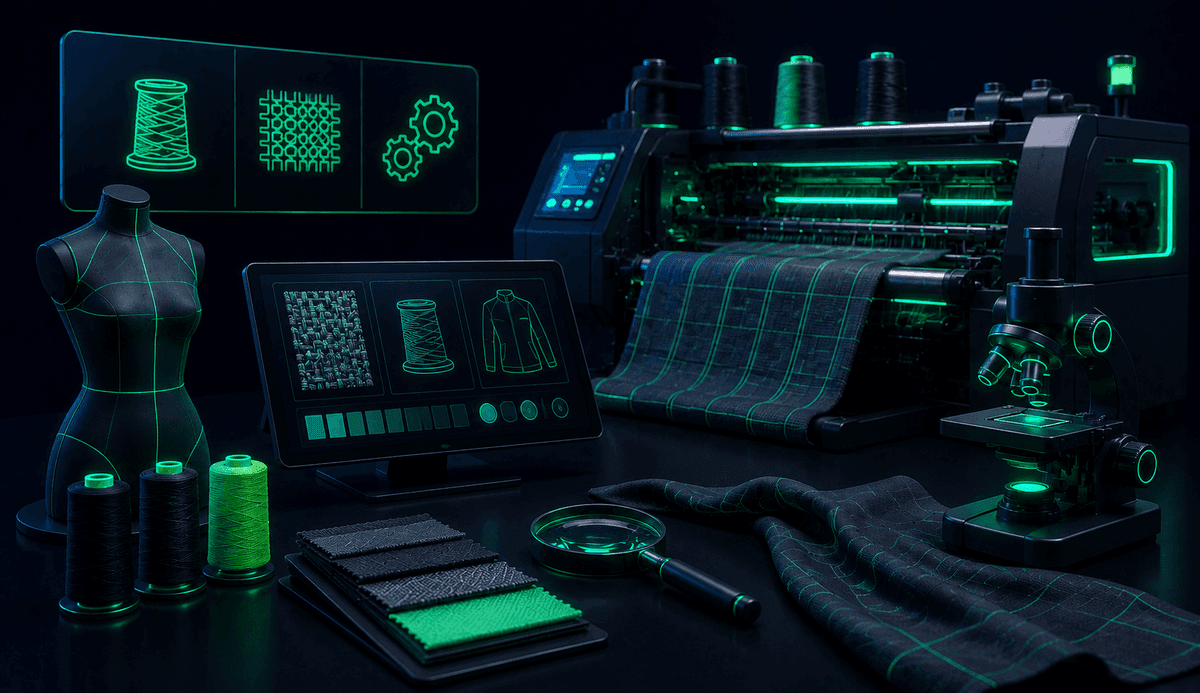
What is the Textile Technology Department? What do its graduates do?

 07.16.2026
What Is the Textile Technology Department? How to Become a Textile Technology Specialist?
Have you ever wondered how your breathable T-shirt, the durable fabric in your running shoes, or flame-resistant protective clothing is developed? Today, the textile industry extends far beyond fashion—it has become a major field where technology, engineering, and innovation come together. At the heart of this transformation are Textile Technology Specialists.
So, what exactly does the Textile Technology Department cover? Which industries can graduates work in? What does a Textile Technology Specialist do, and what skills are needed to succeed in this field? In this guide, you'll find everything you need to know, from the educational journey to career opportunities.
What Is Textile Technology?
The Textile Technology Department is an academic program designed to educate professionals who can contribute to the design, production, quality control, and development of textile products. Throughout the program, students learn every stage of textile manufacturing—from fibers and yarns to fabrics, dyeing, and garment production—with a strong emphasis on technology.
The curriculum focuses not only on manufacturing techniques but also on contemporary topics such as sustainable production, technical textiles, quality management, and digital manufacturing technologies.
Textile Technology Specialists play a key role in improving production efficiency while contributing to the development of innovative, high-quality textile products.
How Long Is the Textile Technology Program?
The duration of the Textile Technology program varies depending on the degree type. Bachelor's programs typically last four years, while associate degree programs generally take two years to complete.
During their studies, students receive both theoretical and practical education in areas such as:
- Textile manufacturing processes
- Fiber and yarn technologies
- Fabric production
- Dyeing and finishing processes
- Quality control
- Production planning
Many universities and vocational schools also offer internship opportunities, allowing students to gain valuable industry experience before graduation.
What Courses Are Included in the Textile Technology Curriculum?
Course offerings may differ from one institution to another, but the core curriculum typically includes subjects such as:
- Textile Fibers
- Yarn Technology
- Weaving Technology
- Knitting Technology
- Fabric Analysis
- Textile Chemistry
- Dyeing and Printing Technologies
- Textile Finishing Processes
- Quality Control
- Production Planning
- Occupational Health and Safety
- Computer-Aided Manufacturing
- Technical Textiles
- Sustainable Textile Production
Laboratory sessions and practical coursework enable students to gain hands-on experience with real textile production processes.
What Are the Admission Scores for Textile Technology?
Admission scores and rankings for the Textile Technology Department vary each year depending on university quotas, applicant demand, and placement results.
For this reason, there is no fixed admission score. Prospective students should review the latest university entrance guide and compare recent admission rankings before making their choices.
When selecting a university, it's recommended to evaluate not only admission scores but also laboratory facilities, industry partnerships, and internship opportunities.
What Should You Consider When Choosing a Textile Technology Program in 2026?
Students planning to enroll in the Textile Technology Department in 2026 should carefully evaluate the practical learning opportunities offered by each university.
Important factors to consider include:
- Laboratory infrastructure
- Hands-on training opportunities
- Experience of the academic staff
- Industry partnerships
- Mandatory and optional internships
- Erasmus and exchange programs
- Graduate career outcomes
- Technological manufacturing facilities
Universities located in regions with strong textile industries may offer closer connections with employers and more practical experience.
What Do Textile Technology Specialists Study and Specialize In?
Graduating from university is only the beginning. Since manufacturing technologies and sustainability practices continue to evolve, lifelong learning is essential for Textile Technology Specialists.
Common areas of specialization include:
- Technical Textiles
- Smart Textiles
- Quality Management
- Production Planning
- Textile Chemistry
- Dyeing and Finishing Technologies
- Research and Development (R&D)
- Sustainable Manufacturing
- Digital Manufacturing Systems
- Textile Automation
Knowledge of ERP systems, manufacturing software, and quality management tools can also contribute significantly to career advancement.
Universities Offering Textile Technology Programs in Türkiye
Textile Technology programs are available at public universities, private universities, and vocational schools. Program availability, quotas, and curricula may change over time.
Prospective students should consult the latest university entrance guide to verify which institutions currently offer the program.
When choosing a university, consider factors such as:
- Laboratory facilities
- Industry collaborations
- Academic staff
- Internship opportunities
- Graduate employment outcomes
Evaluating these aspects together can help students make more informed decisions.
How to Become a Textile Technology Specialist?
Graduating from a relevant associate or bachelor's degree program provides a strong foundation for becoming a Textile Technology Specialist. However, practical industry experience and technical expertise are equally valuable.
Professionals interested in this career should strive to:
- Analyze manufacturing processes effectively
- Develop strong problem-solving skills
- Understand quality standards
- Learn modern production technologies
- Work effectively in teams
- Commit to continuous learning
- Stay updated on sustainable manufacturing practices
Internships and hands-on experience gained during university can significantly ease the transition into professional life.
What Does a Textile Technology Specialist Do?
The responsibilities of a Textile Technology Specialist vary depending on the employer and industry.
Typical duties include:
- Planning production processes
- Inspecting fabric and yarn quality
- Improving manufacturing efficiency
- Implementing quality standards
- Monitoring new production technologies
- Preparing technical reports
- Supporting R&D projects
- Coordinating with production teams
- Participating in product development
- Analyzing the balance between cost and quality
Textile Technology Specialists work throughout the production process to improve quality and optimize manufacturing operations.
Career Opportunities and Challenges in Textile Technology
Thanks to Türkiye's strong manufacturing infrastructure, career opportunities in Textile Technology are extensive. Export-oriented companies, technical textile manufacturers, and R&D centers are continuously seeking qualified professionals.
Graduates may find employment in:
- Textile manufacturing companies
- Apparel manufacturers
- Technical textile firms
- Research and development centers
- Quality control laboratories
- Fashion and garment companies
- Chemical and dye manufacturers
- Manufacturing consulting firms
One of the profession's biggest challenges is keeping pace with rapidly evolving manufacturing technologies. Professionals must also balance production speed, quality standards, and cost efficiency.
How Much Does a Textile Technology Specialist Earn?
It is not appropriate to provide a fixed salary figure for Textile Technology Specialists. Earnings vary considerably depending on factors such as professional experience, area of specialization, company size, production facilities, job responsibilities, and geographic location.
Naturally, a newly graduated specialist and an experienced professional working in production management, quality assurance, or research and development will have different compensation levels. Specialists with expertise in technical textiles, sustainable manufacturing, or digital production technologies may also access broader career opportunities.
Conclusion
The Textile Technology Department offers an excellent career path for individuals interested in manufacturing, technology, and industrial innovation. The technical knowledge, practical experience, and industry internships gained during the program help graduates enter the workforce with strong professional skills. Professionals who embrace technological advancements, prioritize quality, and support sustainable manufacturing practices will continue to play a vital role in shaping the future of the textile industry.
Ready to start your journey in Textile Technology? Explore the latest Textile Technology Specialist job opportunities on Techcareer.net, join industry-focused training programs and events, and begin building your career in the future of textile technologies today.