AI-Powered Test Automation: How Is It Transforming QA Processes?

 09.15.2026
As software development processes become faster, testing teams need to review more scenarios in less time. AI-powered test automation helps simplify many steps, from creating test scenarios to analyzing results. So, how is this approach changing QA processes?
What Is AI-Powered Test Automation?
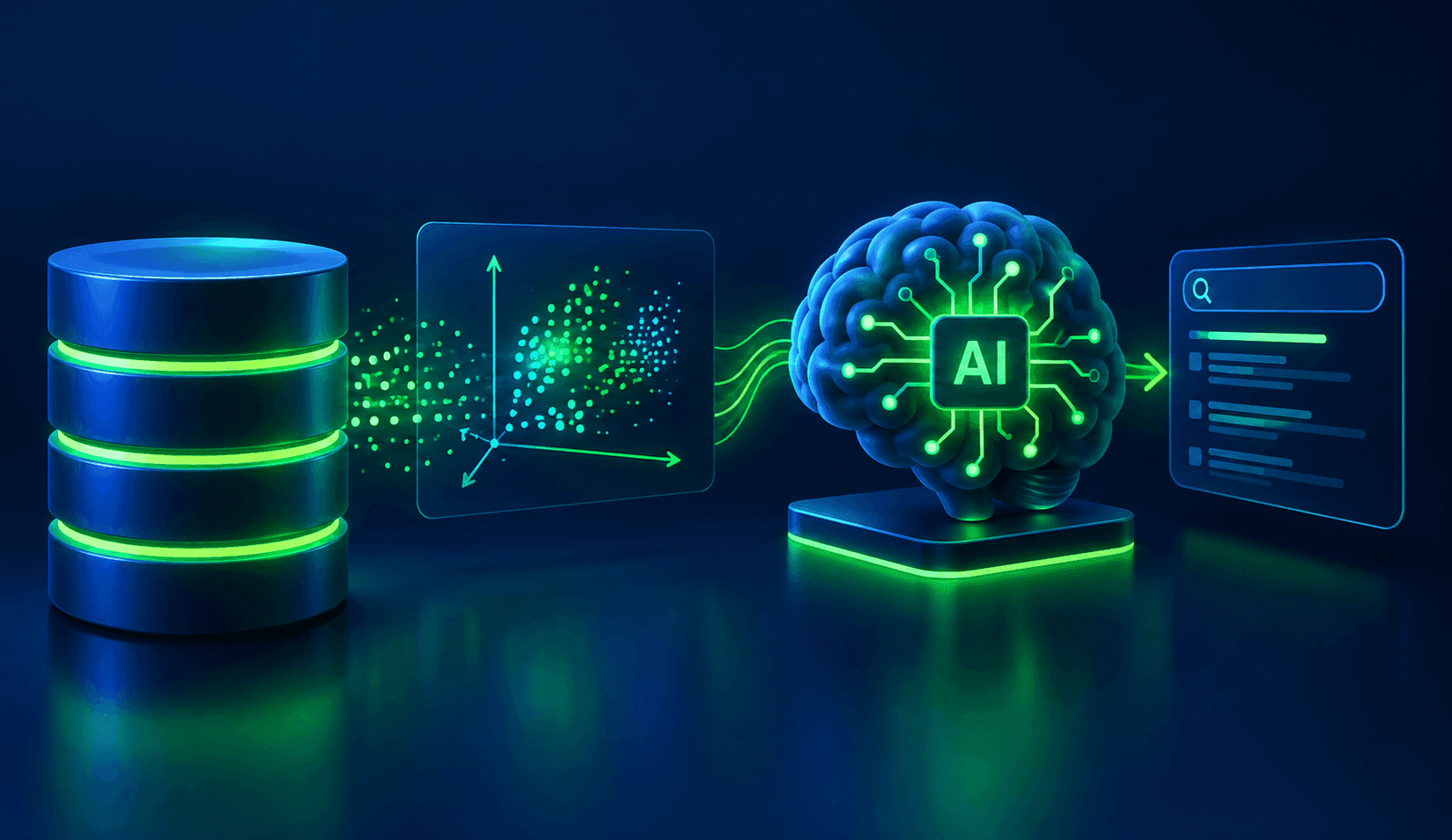
AI-powered test automation refers to the use of technologies such as artificial intelligence and machine learning in software testing processes. Unlike traditional automation tools, it does more than simply execute predefined steps.
It can analyze test data, identify potentially problematic areas, and assist in creating test scenarios. This allows QA teams to spend less time on repetitive tasks and focus more on software quality.
How Is AI Used in Test Automation?
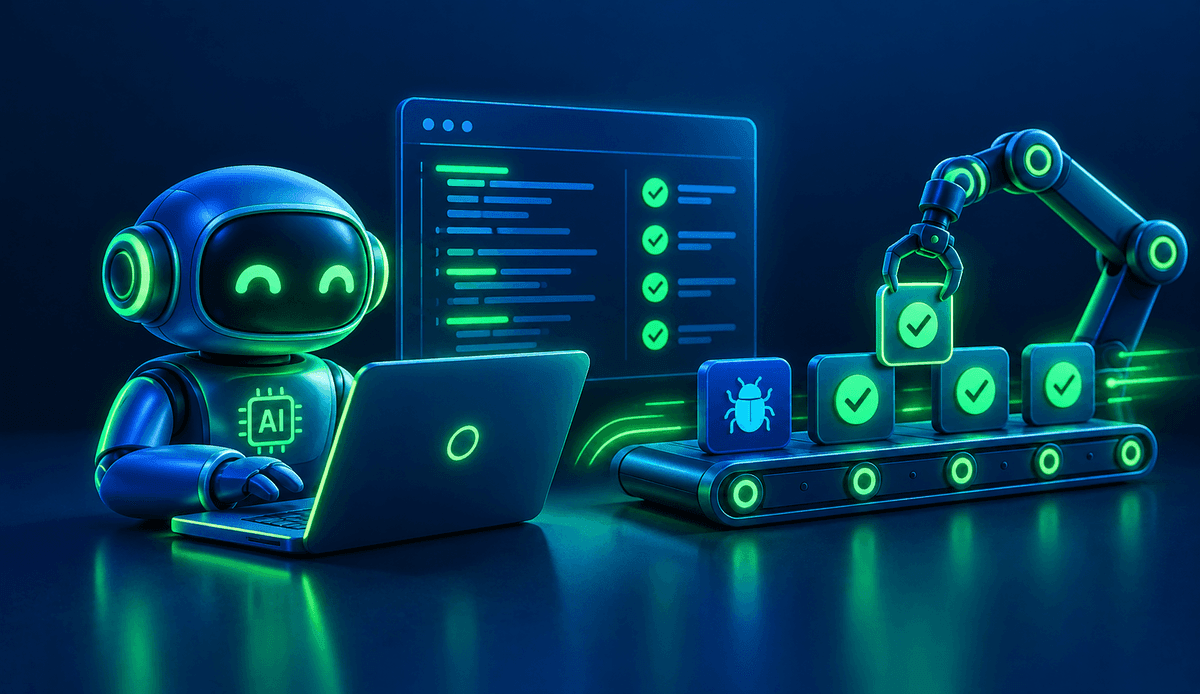
AI can be used at different stages of the testing process. It can particularly support teams with tasks such as generating test scenarios, analyzing errors, and evaluating test results.
Some of the key areas where AI can be used include:
- Test scenario generation: It can help create test scenarios based on requirements or user flows.
- Test data generation: It can simplify the preparation of test data representing different user behaviors.
- Error analysis: It can analyze test results, group similar issues, and help prioritize them.
- Test maintenance: It can help identify tests affected by changes made to an application.
- Result analysis: It can enable large volumes of test outputs to be reviewed more quickly.
How Is AI-Powered Test Automation Changing QA Processes?
AI enables QA teams not only to run tests faster but also to manage testing processes more efficiently. This can provide a significant advantage, especially in projects that are continuously being developed and updated.
In traditional processes, test engineers may spend a significant amount of time performing repetitive checks. AI-powered tools can automate some of these tasks, helping teams focus on more complex quality issues.
However, AI should not be considered a technology that eliminates the role of QA professionals. Human expertise remains important when interpreting requirements, evaluating user experience, and understanding the context behind test results.
Can AI Create Test Scenarios?
Yes, AI can assist in preparing test scenarios based on specific inputs. By analyzing requirements, user stories, or application flows, AI can suggest different test cases.
For example, for the login screen of an e-commerce application, AI can suggest not only scenarios involving valid username and password combinations but also cases such as incorrect credentials, empty fields, and different user behaviors.
However, generated scenarios should not be considered automatically correct. They need to be reviewed by a QA professional and compared against the project's requirements.
What Are the Advantages of AI-Powered Test Automation?
One of the most important contributions of AI-powered automation is helping QA teams use their time more efficiently. It can make testing processes easier to manage, especially in large and constantly changing applications.
Key advantages include:
- Faster test preparation: Repetitive test creation tasks can be completed more quickly.
- Broader test coverage: More scenarios can be evaluated for different user behaviors.
- Simplified error analysis: Similar issues in test results can be identified more quickly.
- Easier test maintenance: It can help identify tests affected by application changes.
- More efficient teamwork: QA professionals can spend more time on critical testing rather than manual and repetitive tasks.
What Are the Disadvantages of AI-Powered Test Automation?
Like any technology, AI-powered test automation also has certain limitations. A test scenario generated by AI may not always accurately reflect the actual business rules of a project.
In addition, systems working with incorrect or incomplete data may produce inaccurate recommendations. Therefore, rather than completely eliminating QA professionals' involvement, it is generally more effective to use automation together with human expertise.
Will AI Replace Test Engineers?
AI is not expected to take over all the responsibilities of QA professionals. In addition to technical checks, software testing also requires evaluating user expectations, business requirements, and product behavior.
The key change for QA professionals is the transformation of how they work as certain tasks become automated. Skills such as automation, data analysis, and the effective use of AI tools may become increasingly important for test engineers.
Which Projects Can Use AI-Powered Test Automation?
AI-powered test automation can be used across a wide range of software projects. The efficiency provided by automation can become particularly noticeable in applications that are frequently updated and include a large number of user flows.
For example, AI can be used in various stages of testing for web and mobile applications, e-commerce platforms, SaaS products, and API-based systems.
However, the same approach may not be suitable for every project. Factors such as project size, test coverage, technology stack, and team structure should be evaluated to determine the right approach.
How Can You Get Started with AI-Powered Test Automation?
The transition to AI-powered test automation can begin by analyzing existing testing processes. First, teams should identify the tasks that consume the most time and involve repetitive work.
A pilot implementation can then be carried out in a small testing area. Based on the results, teams can decide whether to expand the approach to other testing processes.
The following steps can be followed when getting started:
- Analyze existing QA processes
- Identify repetitive tests
- Evaluate suitable automation tools
- Run a pilot implementation with a small test scenario
- Have AI-generated results reviewed by human experts
- Define success criteria and regularly measure the results
AI-powered test automation is emerging as an approach that helps QA teams work faster, more comprehensively, and more efficiently rather than making testing processes completely independent of human involvement. When used correctly, it can simplify processes such as test scenario generation, error analysis, and test maintenance. Instead of replacing QA expertise, it can enable QA professionals to focus their expertise on more strategic areas.