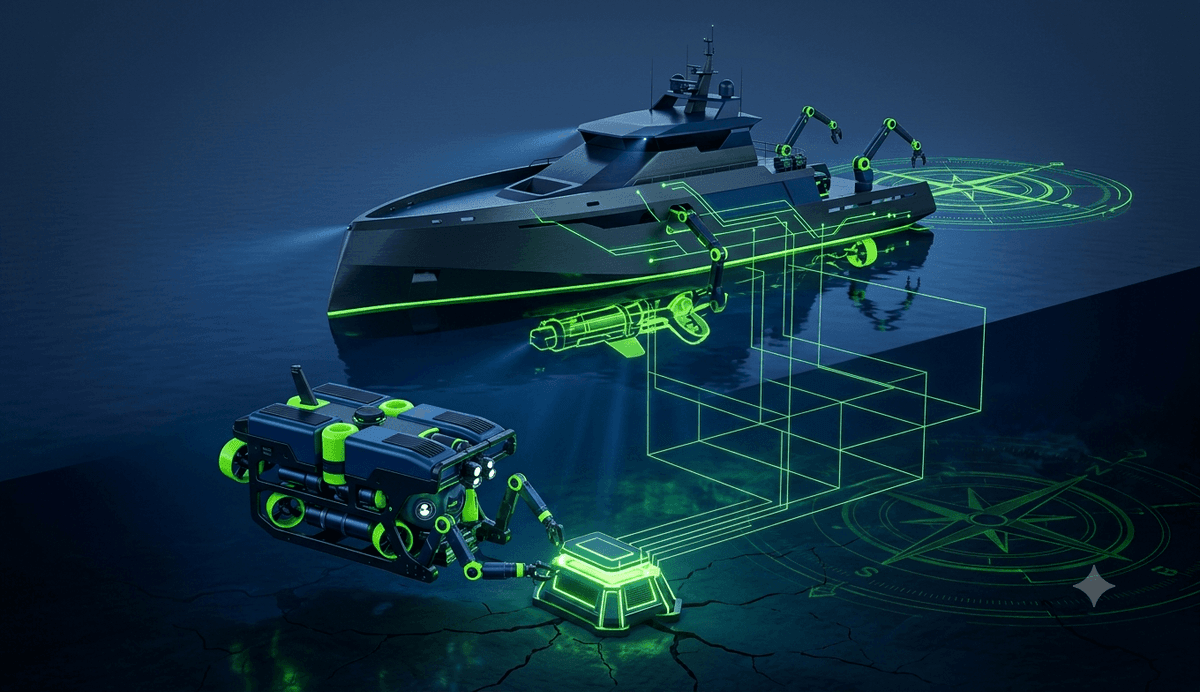
What is the Department of Naval and Marine Engineering? What do its graduates do?

 06.23.2026
What Is Ship and Marine Technology Engineering? How Do You Become a Ship and Marine Technology Engineer?
Did you know that more than 80% of global trade is carried out by sea? Massive cargo ships departing from ports, offshore platforms, and advanced marine vehicles are among the greatest achievements not only of the maritime industry but also of engineering. This is where Ship and Marine Technology Engineering comes into play.
If you are interested in the maritime industry, want to apply engineering knowledge to real-world projects, and are considering international career opportunities, this field may be a great fit for you. In this article, we will explore what Ship and Marine Technology Engineering is, its education process, career opportunities, and how to become a Ship and Marine Technology Engineer.
What is Ship and Marine Technology Engineering?
Ship and Marine Technology Engineering is a branch of engineering that deals with the design, production, development, and operation of ships, marine vehicles, and marine structures.
This field is not limited to shipbuilding. It also includes:
- Offshore platforms
- Submarines
- Yachts
- Port structures
- Marine energy systems
- Autonomous marine vehicles
Ship and Marine Technology Engineers use engineering principles to develop safe, efficient, and sustainable systems in marine environments.
How Long Is the Ship and Marine Technology Engineering Program?
The Ship and Marine Technology Engineering program is generally a 4-year undergraduate degree offered in engineering faculties in Türkiye.
During their education, students:
- Gain fundamental engineering knowledge
- Learn ship design
- Analyze marine structures
- Use computer-aided design software
- Gain industry experience through mandatory internships
In some universities, an optional preparatory year may extend the duration to 5 years.
What Courses Are Included in Ship and Marine Technology Engineering?
The curriculum combines engineering fundamentals with maritime technologies.
In the first years, students typically study:
- Mathematics
- Physics
- Chemistry
- Technical Drawing
- Computer Programming
- Statics
- Dynamics
In later years, more specialized courses are introduced:
- Ship Construction
- Hydrodynamics
- Fluid Mechanics
- Marine Structures Design
- Ship Strength
- Ship Stability
- Marine Machinery
- CAD and Modeling Systems
- Maritime Safety
- Marine Energy Systems
Course content may vary by university, but the main goal is to provide both theoretical and practical engineering skills.
What Are the Admission Scores for Ship and Marine Technology Engineering?
Admission scores and rankings vary each year.
The main factors affecting them are:
- Number of available quotas
- Student demand
- University performance
- Difficulty level of the exam
Therefore, it is important to check the latest official university admission guides during the application period. Considering ranking scores as well as cutoff scores provides a more accurate evaluation.
What Should You Consider When Choosing This Program in 2025?
When selecting a university, you should not rely only on the institution’s name.
Consider the following:
- Experience of academic staff
- Laboratory and simulation facilities
- Partnerships with shipyards
- Internship opportunities
- Erasmus and exchange programs
- Graduate employment rates
- City and industry connections
Universities located in maritime industry hubs may offer better practical training opportunities.
What Do Ship and Marine Technology Engineers Study and Specialize In?
Engineers in this field do not only work in ship production. They can specialize in many areas, such as:
- Ship design
- Marine structures engineering
- Yacht design
- Hydrodynamic analysis
- Ship production technologies
- Offshore energy systems
- Defense industry marine projects
- Autonomous and smart marine systems
In recent years, AI-based maritime systems and environmentally friendly ship technologies have also become important areas of specialization.
Universities Offering This Program in Türkiye
The number of universities offering this program is limited, but several institutions have strong maritime engineering education.
Examples include:
- Istanbul Technical University (ITU)
- Yıldız Technical University
- Piri Reis University
- Karadeniz Technical University
- Yalova University
Since program structures may change, it is important to check updated information during the preference period.
How Do You Become a Ship and Marine Technology Engineer?
To become a Ship and Marine Technology Engineer, you must first graduate from the relevant undergraduate program.
The typical path includes:
- Entering the university through the quantitative exam track
- Completing the degree program
- Successfully finishing mandatory internships
- Learning technical design and analysis tools
- Improving English proficiency
- Gaining project experience in the sector
Foreign language skills are especially important for international careers.
What Does a Ship and Marine Technology Engineer Do?
Ship and Marine Technology Engineers:
- Design ships and marine vehicles
- Prepare technical drawings
- Plan production processes
- Conduct performance analysis
- Ensure safety standards compliance
- Calculate structural durability
- Contribute to new technology development
They may work in shipyards, engineering firms, defense companies, research centers, and energy companies.
Career Opportunities and Challenges
Career opportunities are extensive due to the growth of global trade and maritime transportation.
Possible sectors include:
- Shipyards
- Maritime companies
- Defense industry
- Energy companies
- Classification societies
- R&D centers
- Academia
However, the profession also comes with challenges such as:
- High technical responsibility
- Strict deadlines
- International standards compliance
- Continuous learning requirements
Staying updated with new technologies is essential for long-term success.
Salary Expectations
It is not possible to give a fixed salary amount, as income depends on many factors such as:
- Experience level
- Specialization
- Company type
- Project scale
- Location
- Language skills
A newly graduated engineer and a senior professional will naturally earn different salaries. Similarly, those working in defense, energy, or international projects may have significantly different income levels.
Ship and Marine Technology Engineering is a multidisciplinary field at the intersection of maritime operations and engineering. It offers opportunities to work on large-scale projects, develop advanced technologies, and build an international career. From ship design to offshore structures, from defense projects to energy systems, the field offers diverse career paths and continues to grow in importance with technological advancements.
Are you ready to take the first step in your Ship and Marine Technology Engineering journey? Explore the latest Ship and Marine Technology Engineer job opportunities on Techcareer.net and start shaping your career today!