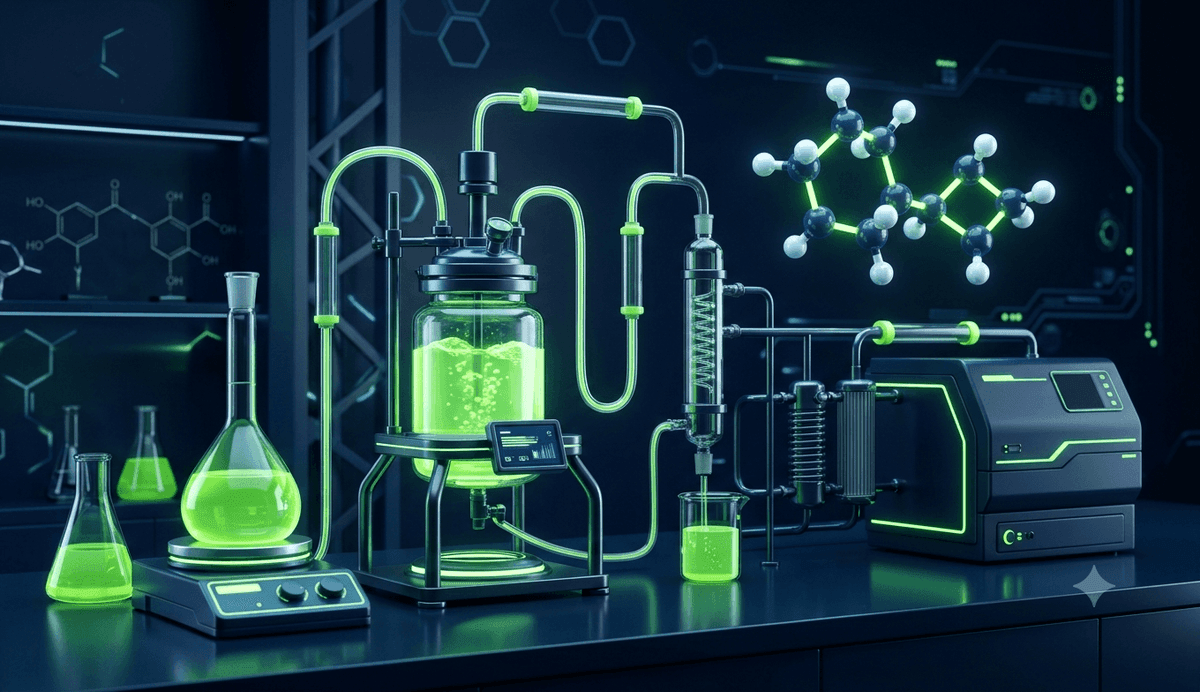
What is the Department of Chemical Technology? What do its graduates do?

 06.23.2026
What Is Chemical Technology? How Do You Become a Chemical Technology Specialist?
From the cleaning products we use every day to pharmaceuticals, cosmetics, and food additives, chemical technologies play a significant role in our daily lives. But have you ever wondered what kind of education and training the professionals behind the safe, efficient, and high-quality production of these products receive?
The Chemical Technology program is an important field of study where chemistry meets industrial production processes. It focuses on the development, analysis, quality control, and application of production technologies for chemical products. In this article, you'll find answers to common questions such as what Chemical Technology is, how long the education takes, what a Chemical Technology Specialist does, what career opportunities are available, and how the profession is evolving.
What Is Chemical Technology?
Chemical Technology is an interdisciplinary field that applies chemical knowledge to industrial and manufacturing processes. Its primary focus areas include analyzing chemical substances, processing materials, maintaining quality standards, and improving production systems.
Students in Chemical Technology programs gain both theoretical and practical knowledge through laboratory applications and technical training. Graduates can work in various industries, particularly in production, quality control, and research and development (R&D) processes.
The field offers significant career opportunities in industries such as pharmaceuticals, cosmetics, petrochemicals, paints, plastics, and food production.
How Long Is a Chemical Technology Degree Program?
Chemical Technology is generally offered as a two-year associate degree program at vocational schools.
Throughout their education, students receive training in fundamental chemistry concepts, laboratory practices, and industrial production processes. The primary goal of the program is to prepare students directly for professional careers.
Students who wish to continue their academic education may transfer to related bachelor's degree programs through the Vertical Transfer Examination (DGS) and further expand their qualifications.
What Courses Are Included in Chemical Technology?
Although course content may vary by institution, Chemical Technology programs generally include subjects such as:
- General Chemistry
- Analytical Chemistry
- Organic Chemistry
- Physical Chemistry
- Laboratory Techniques
- Industrial Chemistry
- Quality Control Systems
- Chemical Processes
- Occupational Health and Safety
- Chemical Analysis Methods
- Environmental Protection Technologies
- Microbiology
- Chemical Laboratory Applications
These courses help students develop both laboratory skills and an understanding of the techniques used in industrial production processes.
What Are the Admission Scores for Chemical Technology?
Admission scores and rankings for Chemical Technology programs may change from year to year. Factors such as quotas, application numbers, and university preferences influence admission requirements.
For this reason, prospective students should review the latest university admission guides and official university announcements during the application period.
When making a choice, it is important to evaluate not only admission scores but also the practical training opportunities offered by the program.
What Should You Consider When Choosing a Chemical Technology Program in 2025?
When selecting a Chemical Technology program, practical learning opportunities should be considered alongside educational quality.
Some important factors to evaluate include:
- Laboratory infrastructure
- Industry partnerships
- Internship opportunities
- Academic staff qualifications
- Graduate employment rates
- Availability of technical equipment
- Industrial opportunities in the region where the university is located
Programs that provide strong hands-on training opportunities can offer a significant advantage when entering the workforce.
What Do Chemical Technology Specialists Study and Specialize In?
Professionals in the field of Chemical Technology can specialize in various areas throughout their careers.
Some common specialization fields include:
- Quality Control
- Chemical Analysis
- Production Technologies
- Pharmaceutical Manufacturing
- Cosmetic Production
- Petrochemical Processes
- Environmental Technologies
- Laboratory Management
- Food Analysis
- Research and Development (R&D)
As technology continues to evolve, sustainable production methods and environmentally friendly chemical processes are becoming increasingly important areas of expertise.
Universities Offering Chemical Technology Programs in Türkiye
Many public and private universities in Türkiye offer Chemical Technology programs through their vocational schools.
Some examples include:
- Ege University
- Marmara University
- Kocaeli University
- Sakarya University of Applied Sciences
- Çukurova University
- Mersin University
- Dokuz Eylül University
Since programs and quotas may change over time, prospective students should verify the latest information before making their final decisions.
How Do You Become a Chemical Technology Specialist?
To become a Chemical Technology Specialist, you must first graduate from a Chemical Technology program.
However, success in the industry often requires more than just a diploma. Practical experience and technical skills are equally important.
During your studies, it can be beneficial to:
- Gain laboratory experience
- Participate in internship programs
- Learn quality management systems
- Become proficient in analytical equipment and instruments
- Improve your English language skills
- Complete occupational health and safety training
These competencies can significantly improve employability after graduation.
What Does a Chemical Technology Specialist Do?
One of the most frequently asked questions is: "What does a Chemical Technology Specialist do?"
Typical responsibilities may include:
- Performing laboratory analyses
- Conducting product quality control procedures
- Monitoring production processes
- Carrying out chemical testing procedures
- Analyzing samples
- Ensuring compliance with production standards
- Preparing technical reports
- Supporting R&D projects
- Implementing environmental and safety standards
Job responsibilities may vary depending on the industry and organization.
Career Opportunities and Challenges in Chemical Technology
Career opportunities in Chemical Technology are extensive. Professionals can find employment in nearly every industry involving chemical production.
Graduates may work in:
- Pharmaceutical companies
- Cosmetic manufacturers
- Food production facilities
- Petrochemical organizations
- Paint and plastics industries
- Environmental laboratories
- Quality control laboratories
- Research and development centers
However, the profession also comes with certain challenges. Precision-oriented analysis processes, strict compliance with production standards, and intensive laboratory work are among the demanding aspects of the field.
For individuals who enjoy scientific work, analytical thinking, and attention to detail, Chemical Technology can be an extremely rewarding career path.
How Much Does a Chemical Technology Specialist Earn?
It is difficult to provide a fixed salary figure for Chemical Technology professionals because compensation varies depending on several factors, including:
- Professional experience
- Area of specialization
- Industry sector
- Company size
- Technical competencies
- Geographic location
- Certifications and additional training
Naturally, a newly graduated professional and an experienced specialist with many years in the industry will have different earning levels. Likewise, salaries may vary between professionals working in pharmaceuticals and those employed in other manufacturing sectors.
For this reason, career planning should focus not only on salary expectations but also on opportunities for specialization, technical development, and the long-term growth potential of the industry.
Final Thoughts
The Chemical Technology program is an important educational field where science meets production, helping us understand the processes behind many of the products we use in our daily lives. From laboratory studies and quality control procedures to manufacturing technologies and R&D activities, it offers a broad range of career opportunities.
If you are interested in chemistry, enjoy conducting analyses, and want to play an active role in industrial production processes, Chemical Technology could be an excellent career choice for you. As technology advances and quality standards continue to rise across industries, the demand for qualified Chemical Technology Specialists is expected to keep growing.
Ready to take the first step in your Chemical Technology career journey? Explore the latest Chemical Technology Specialist job opportunities on Techcareer.net and start shaping your future today!